Before HOVAK Had a Name: 44 Days That Shaped Our Mission
Our story — autumn 2020
HOVAK NGO was formally established later. But the work that defines us began in the autumn of 2020, during the 44-day war, when the future founders of HOVAK — working alongside the Panosyan charitable organization — spent the war and the months after it doing logistics for people who had lost everything.
What that work looked like in practice:
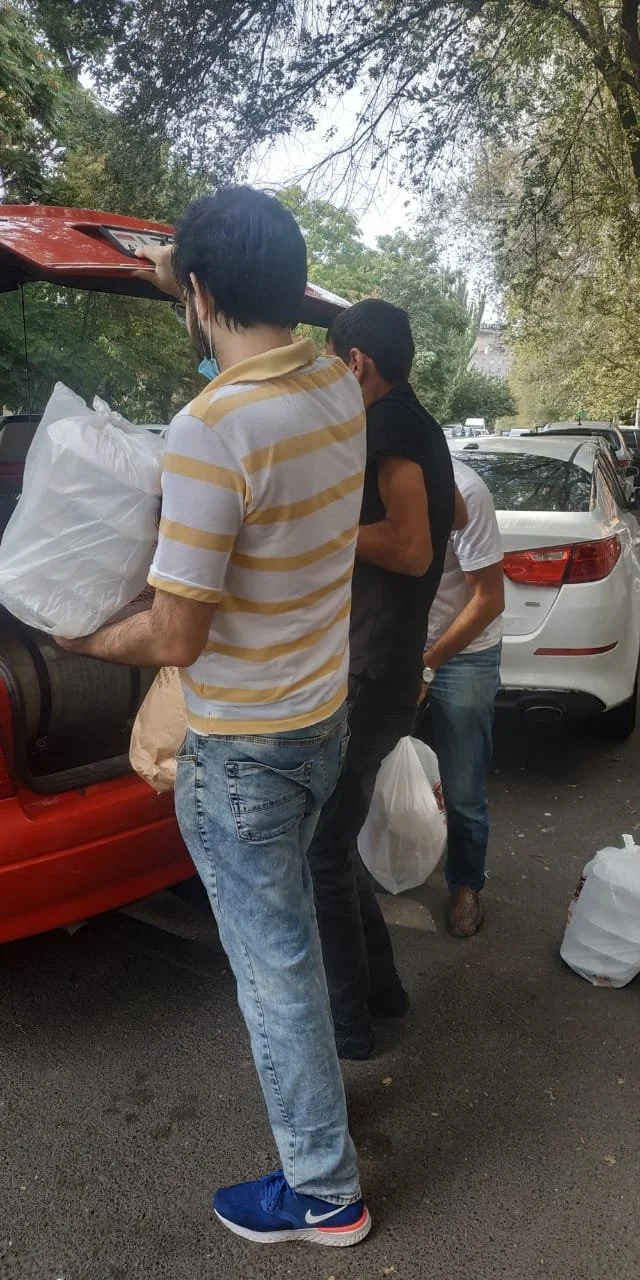
Safe transportation for approximately 600 displaced people — from Stepanakert and remote villages of Nagorno-Karabakh to safety in Armenia, by organizing and coordinating vehicles and drivers.
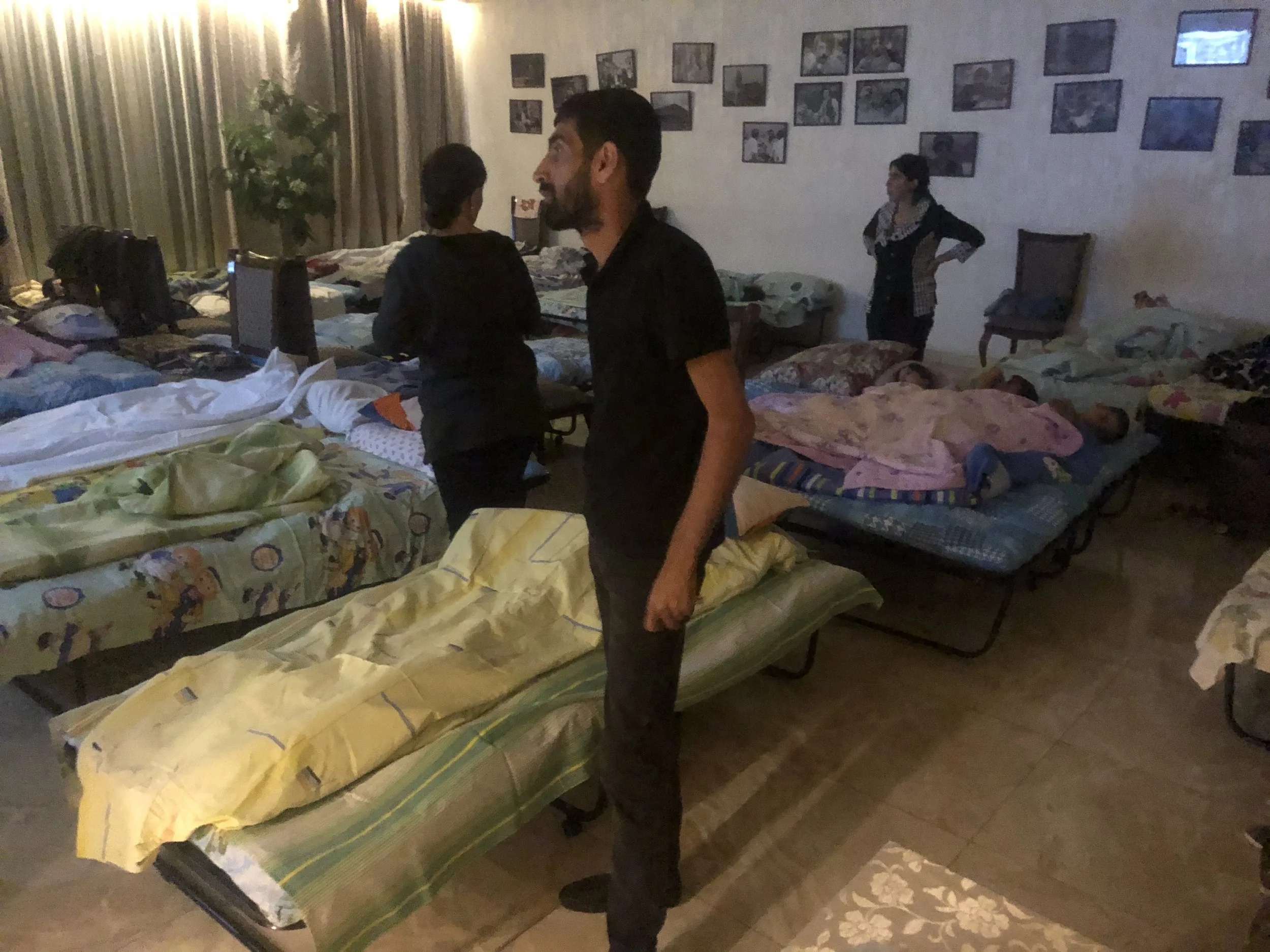
A roof over their heads — placements arranged in private homes and hotels across Yerevan and Syunik, found family by family.
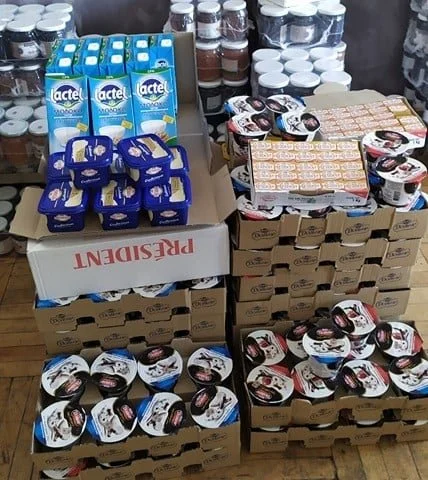
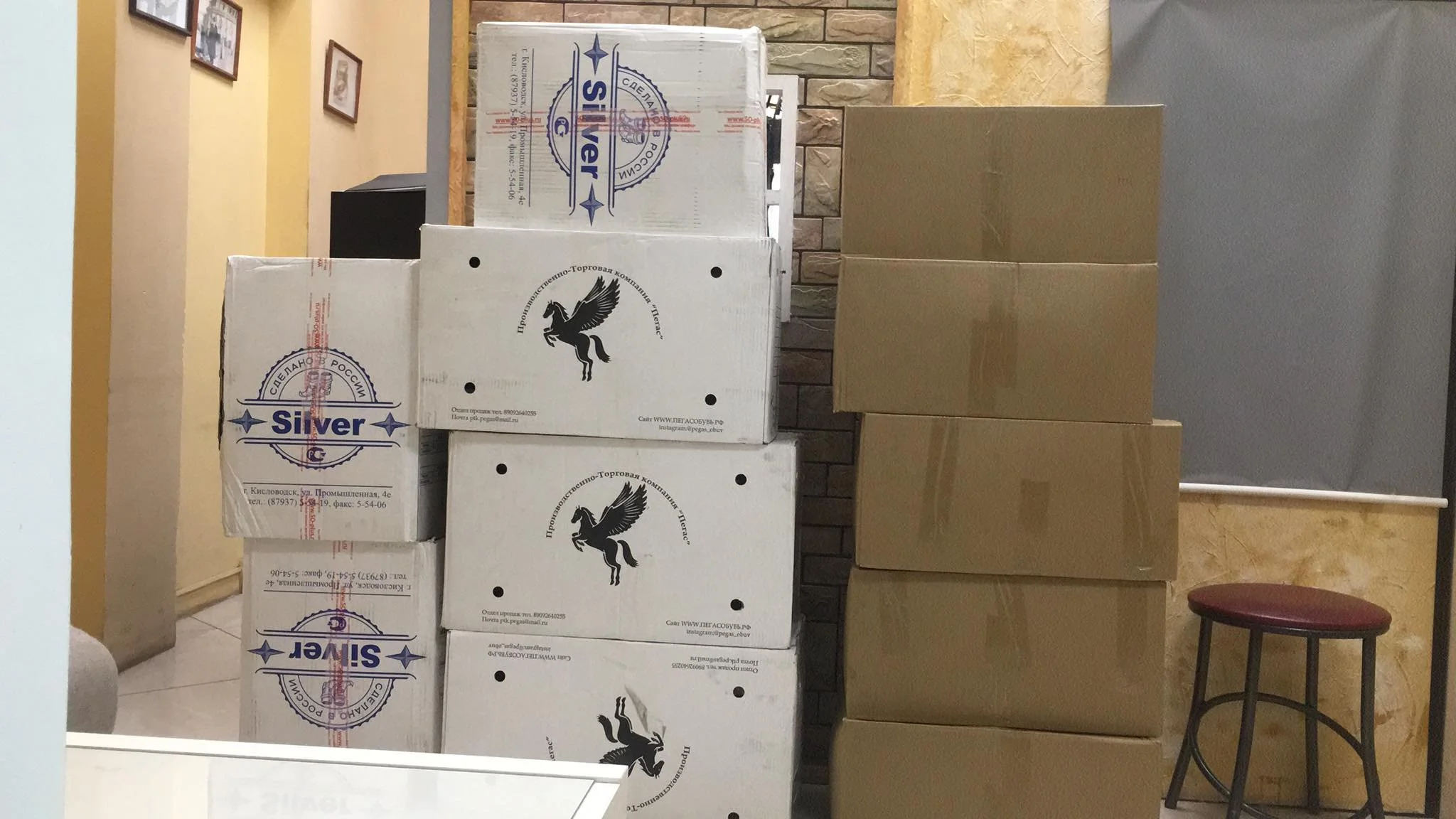
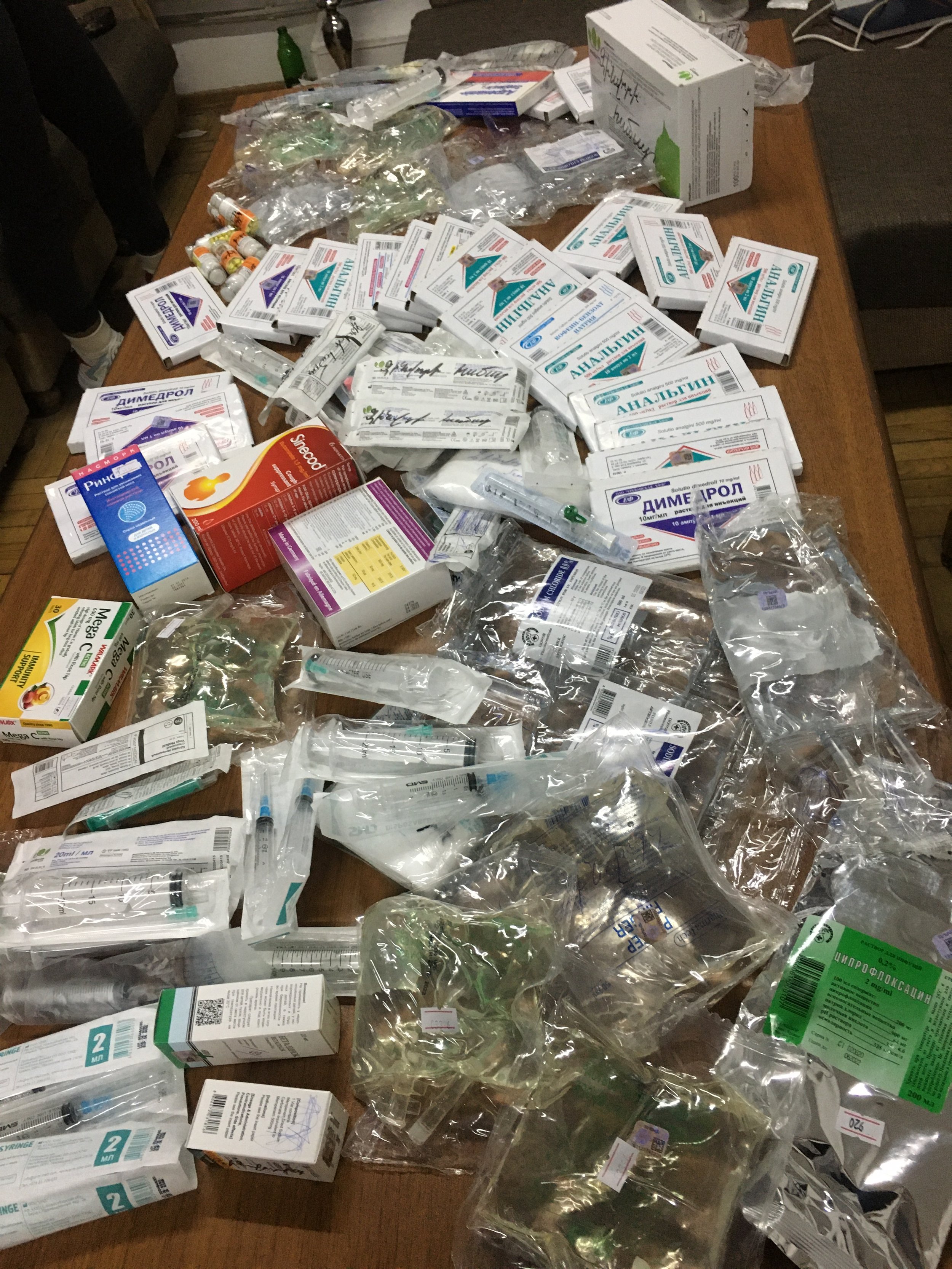
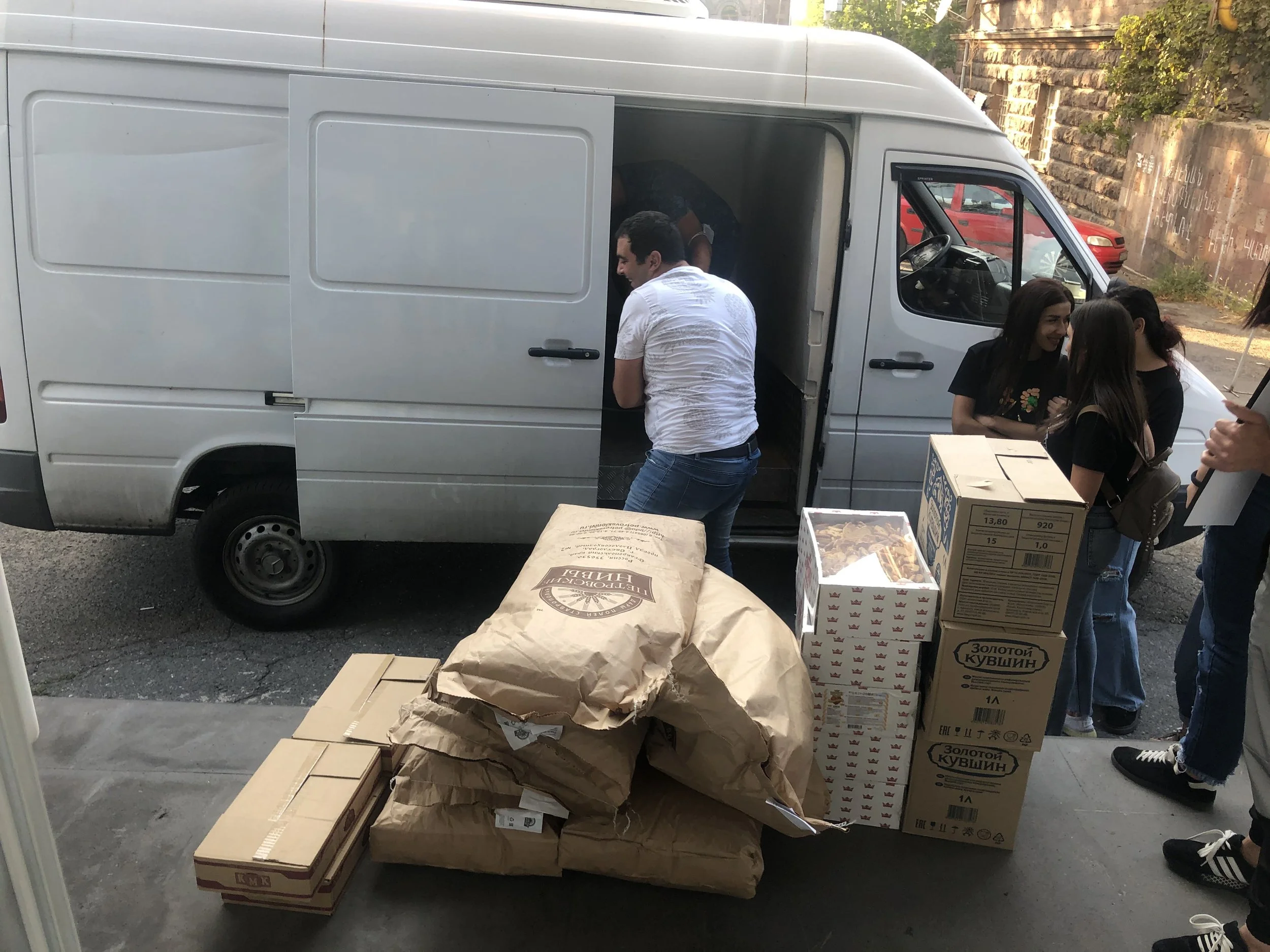
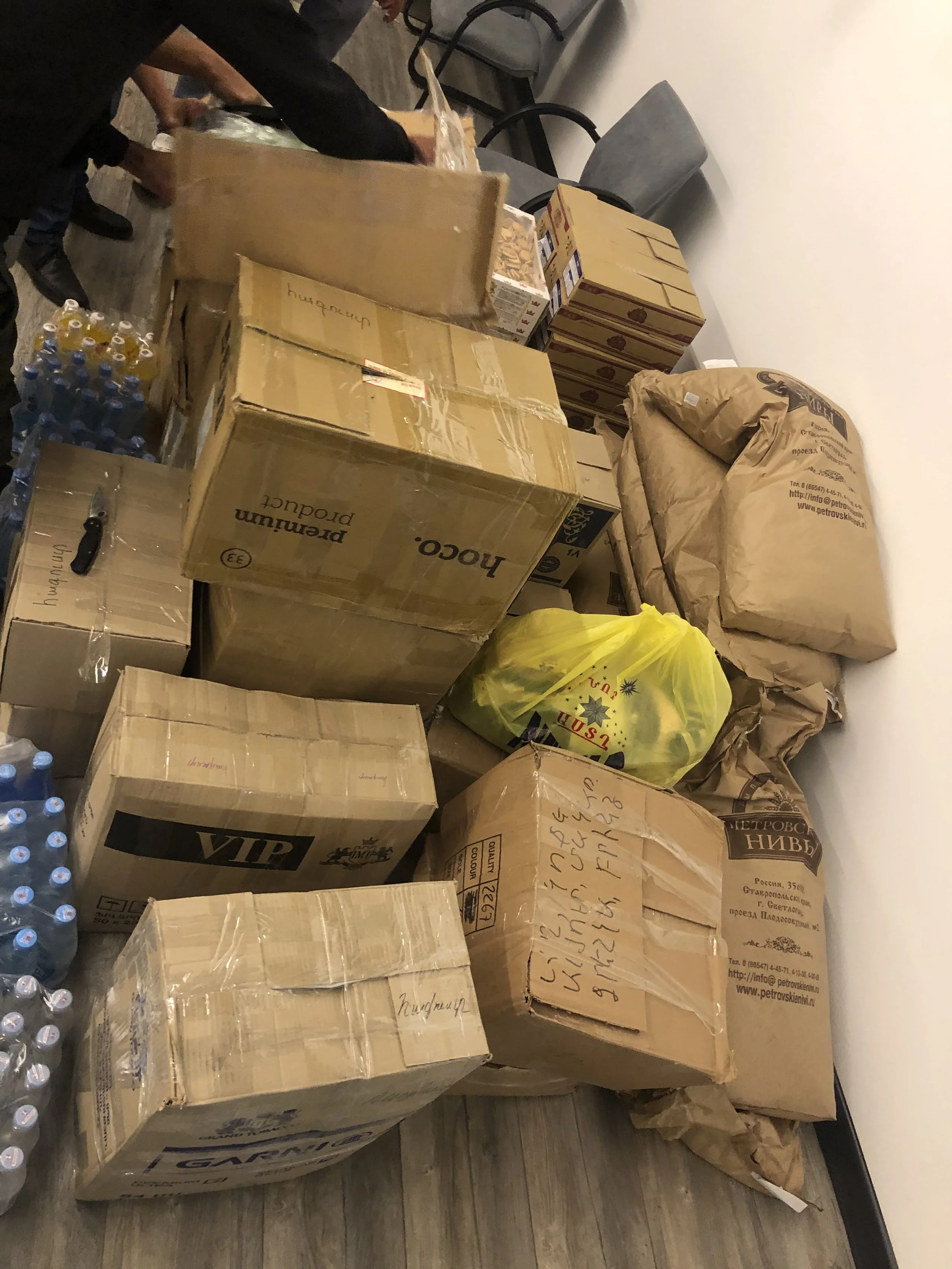
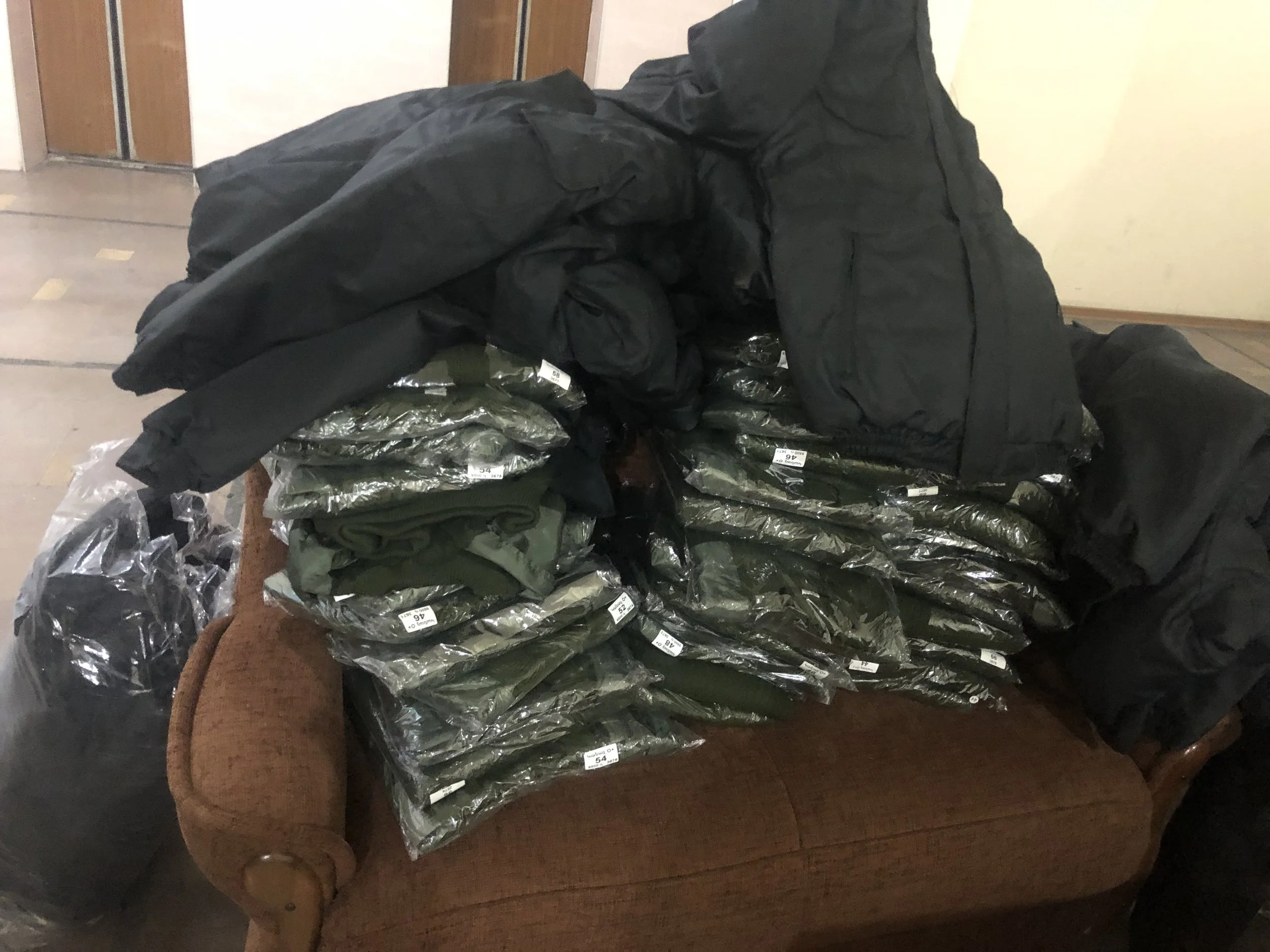
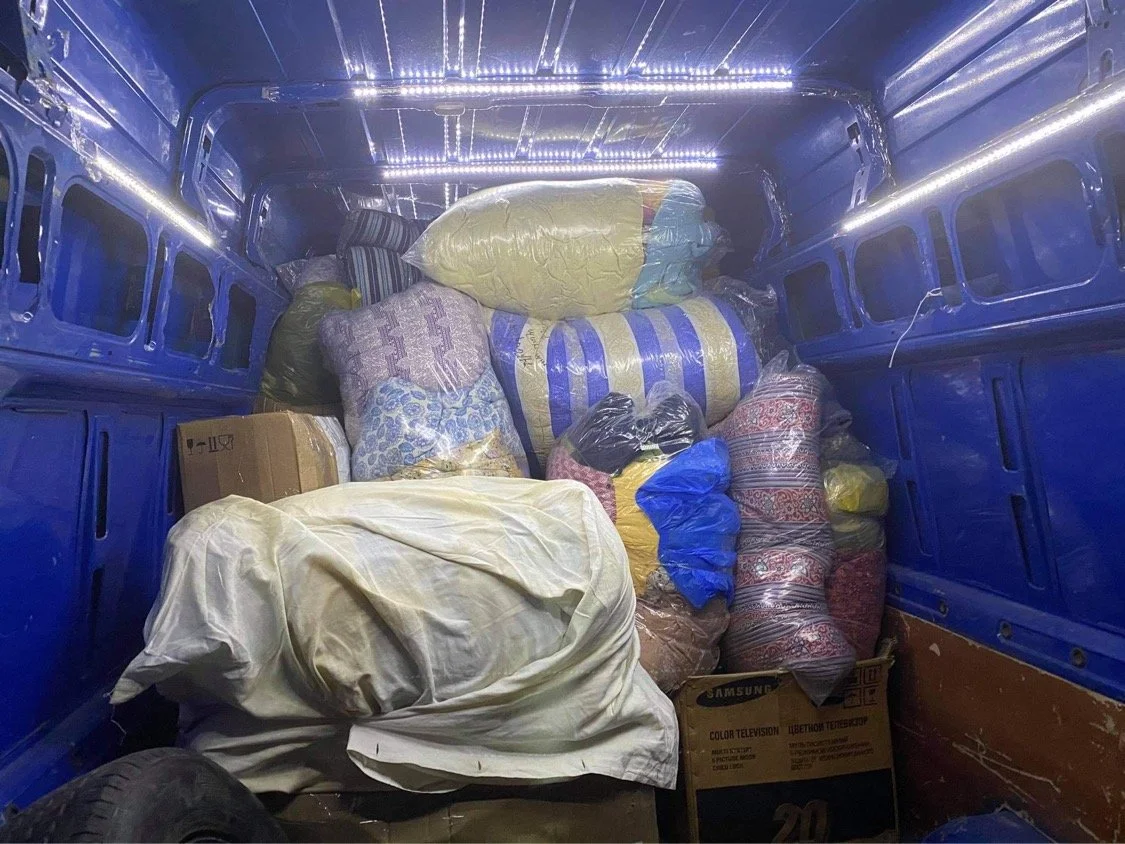
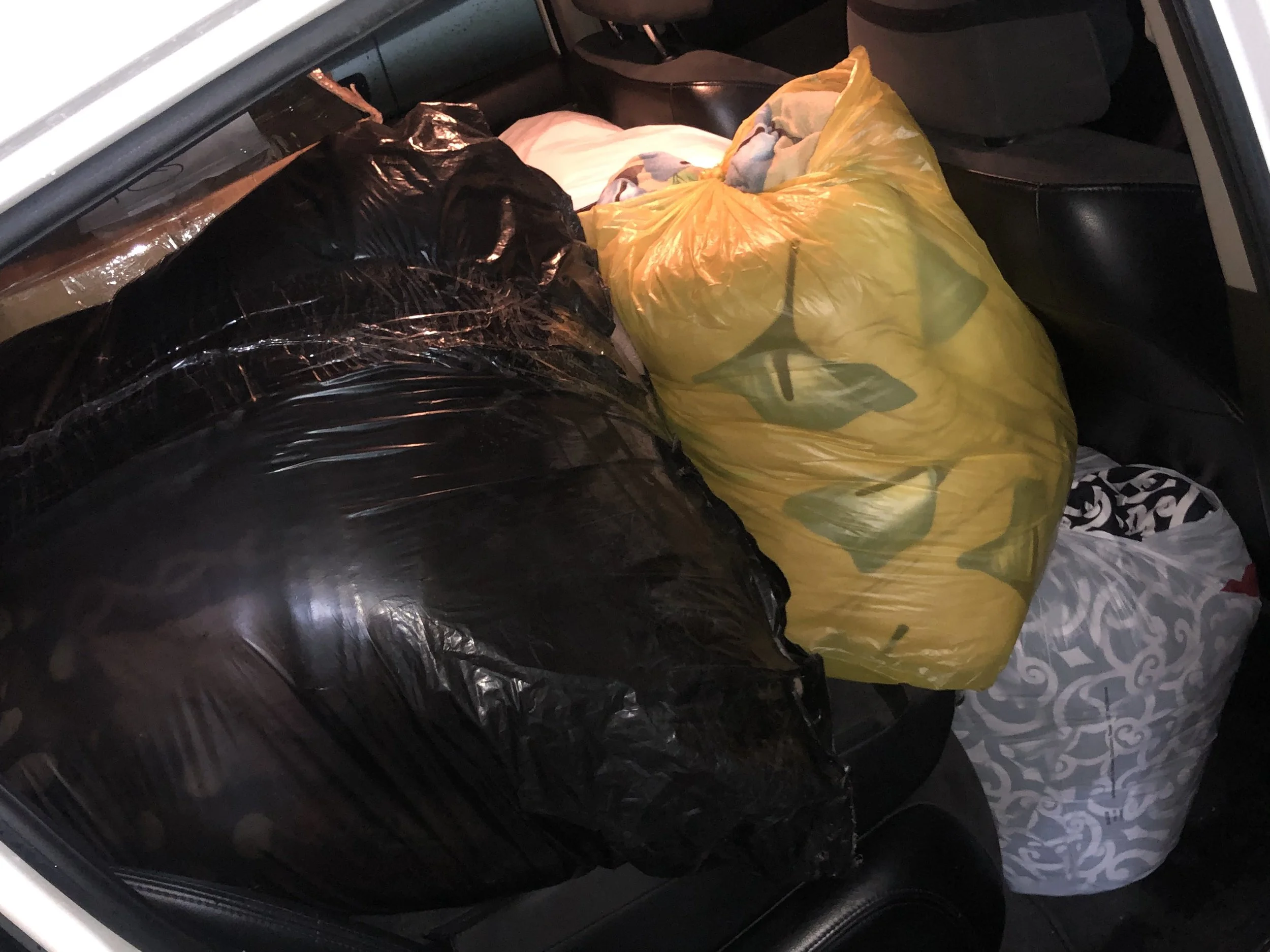
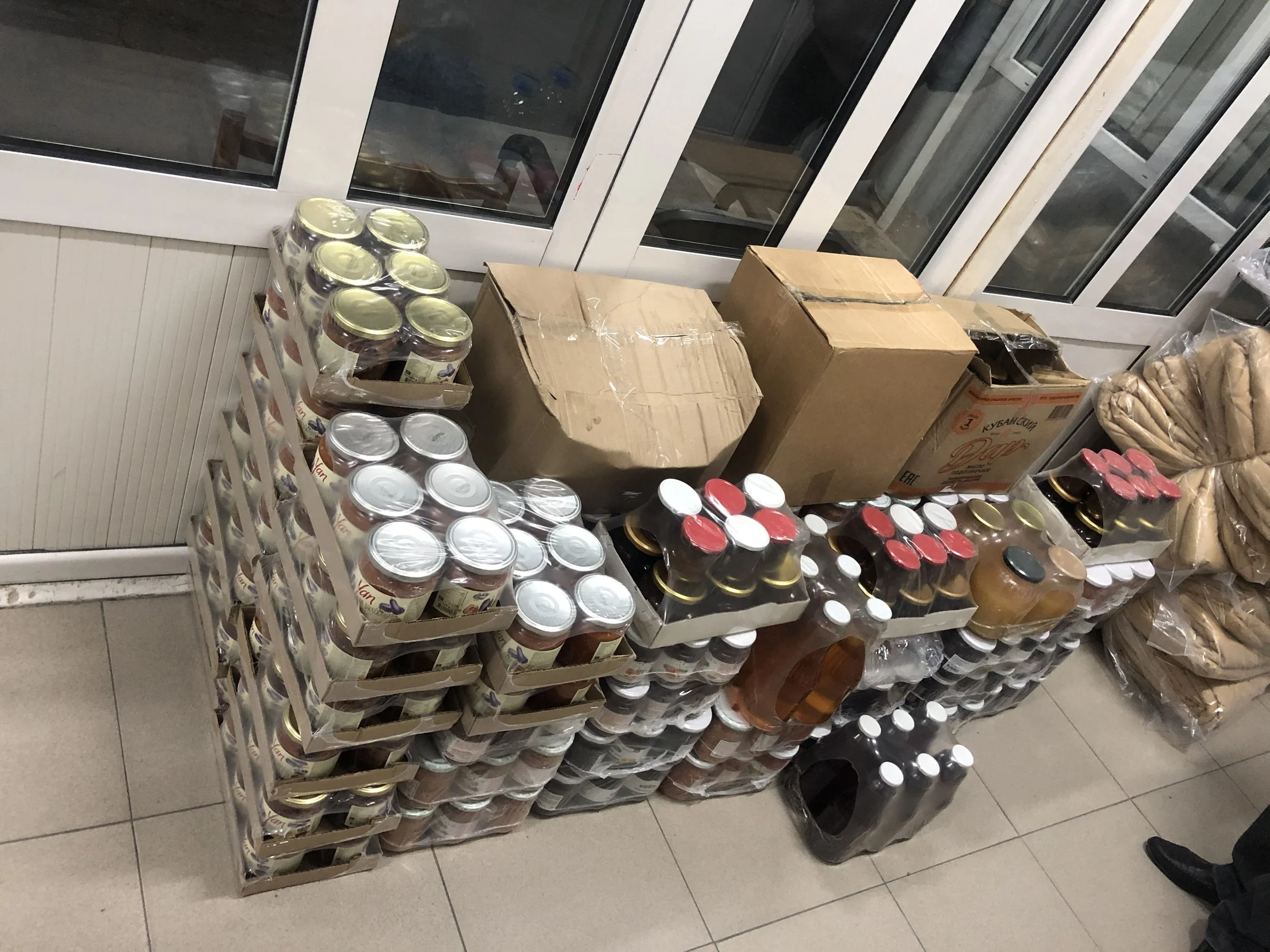
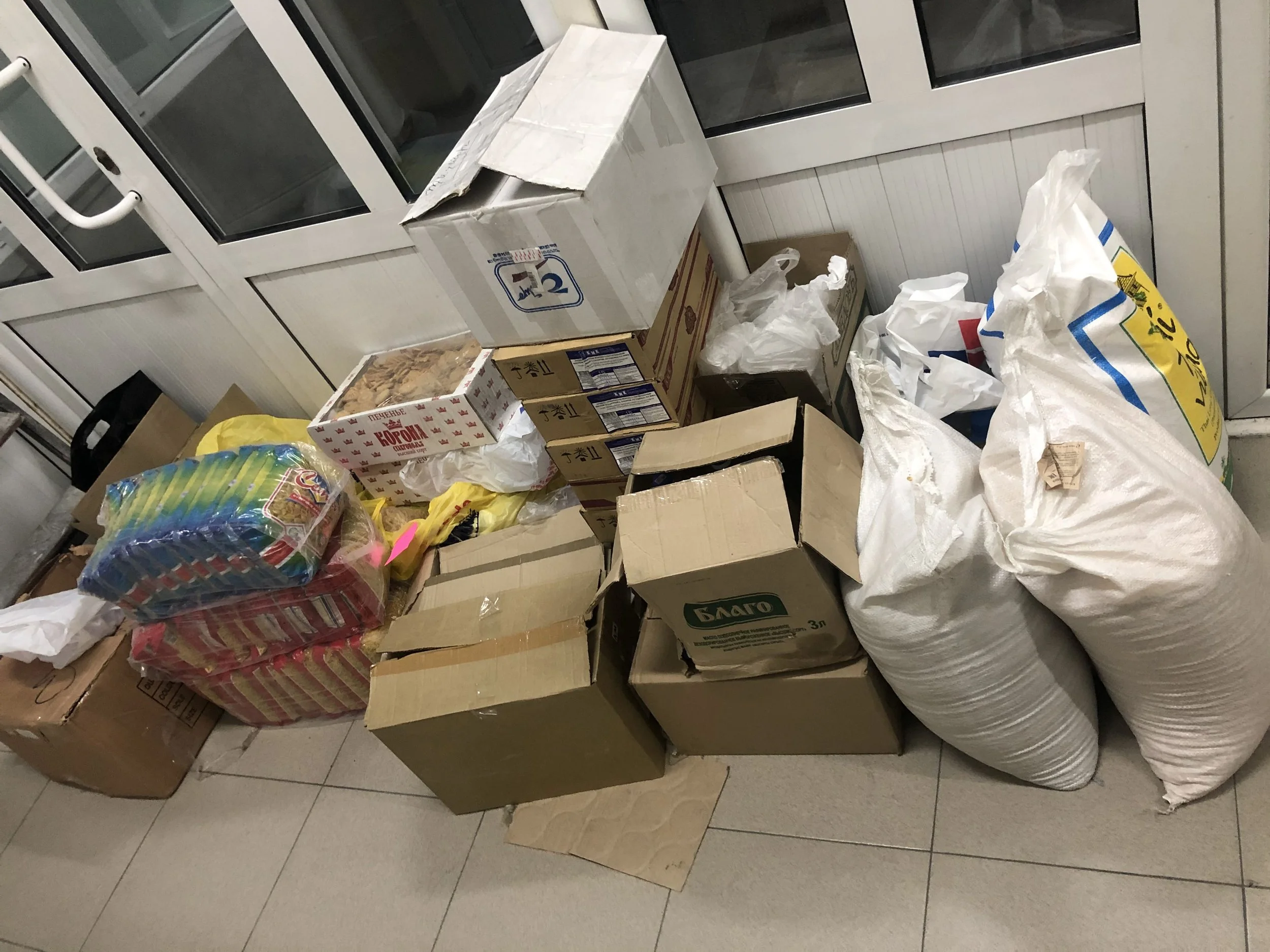
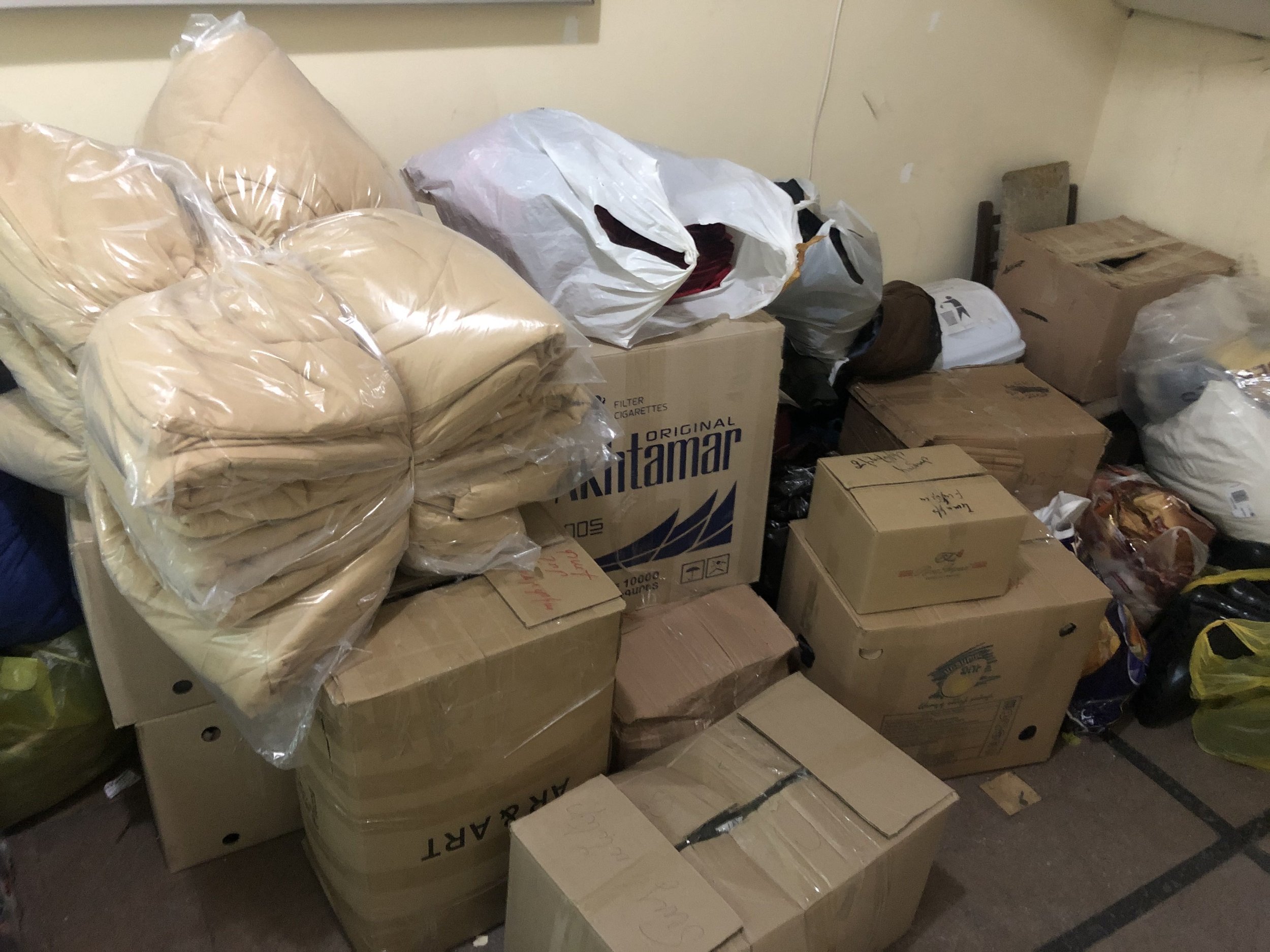
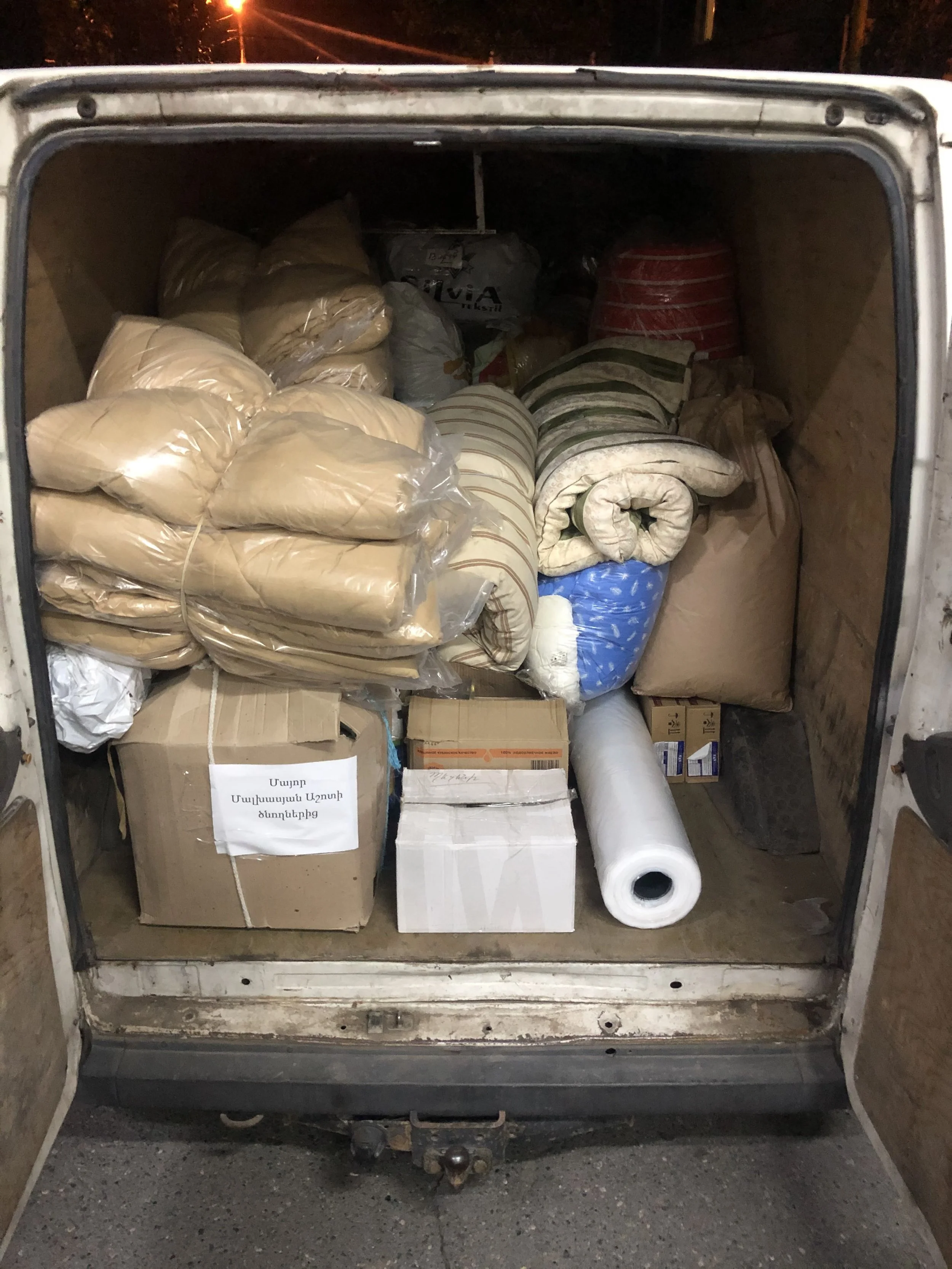
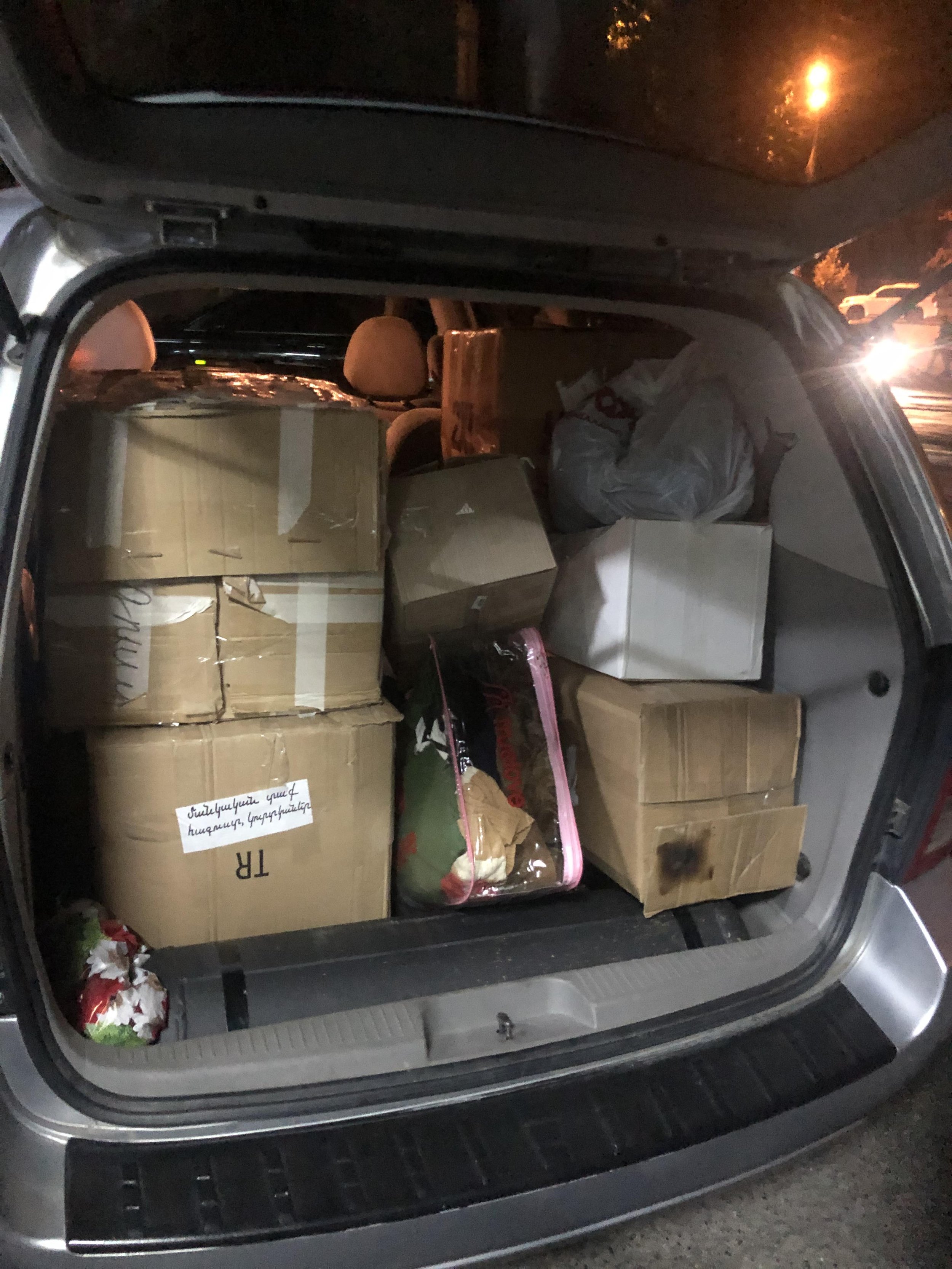
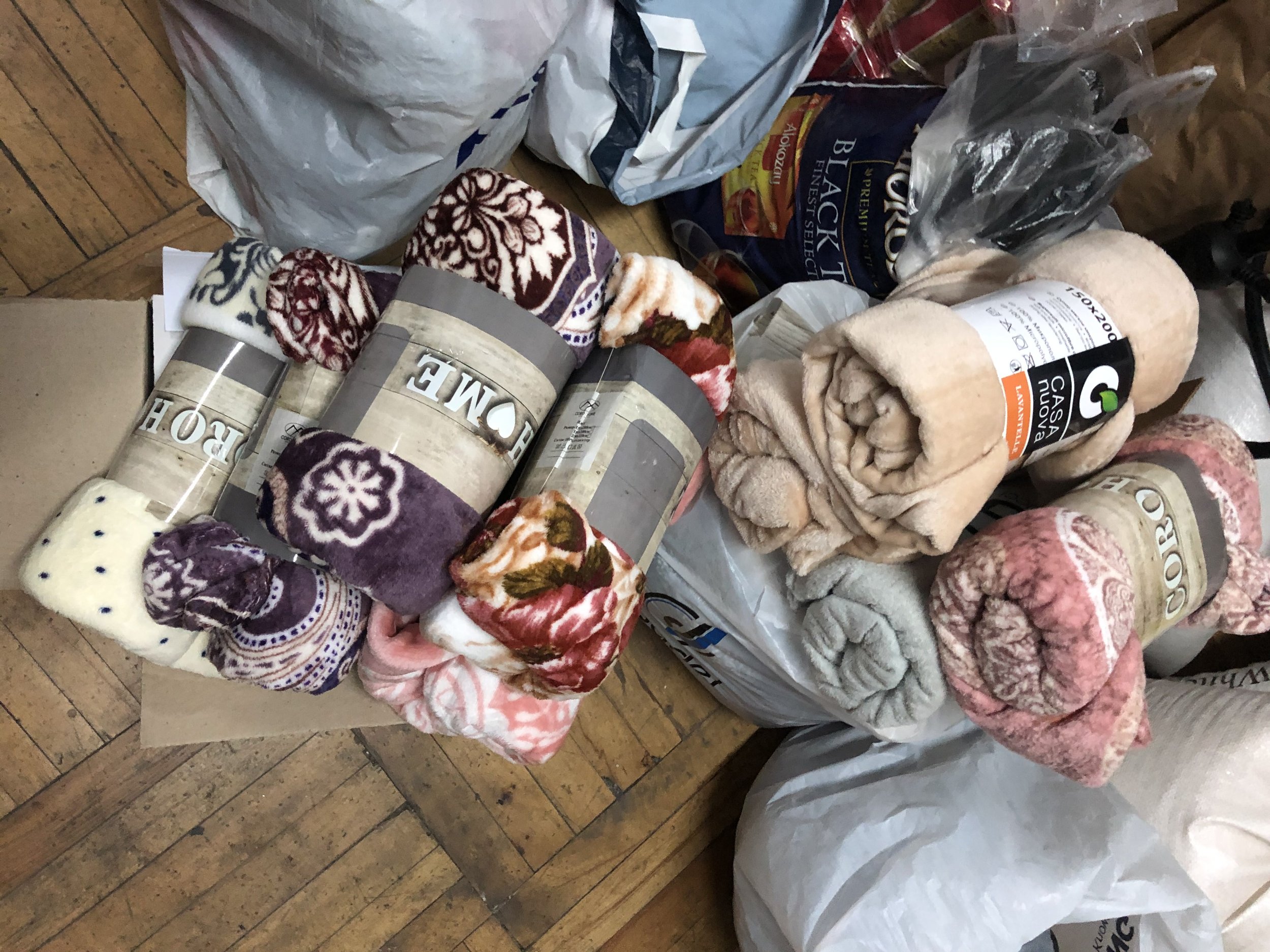
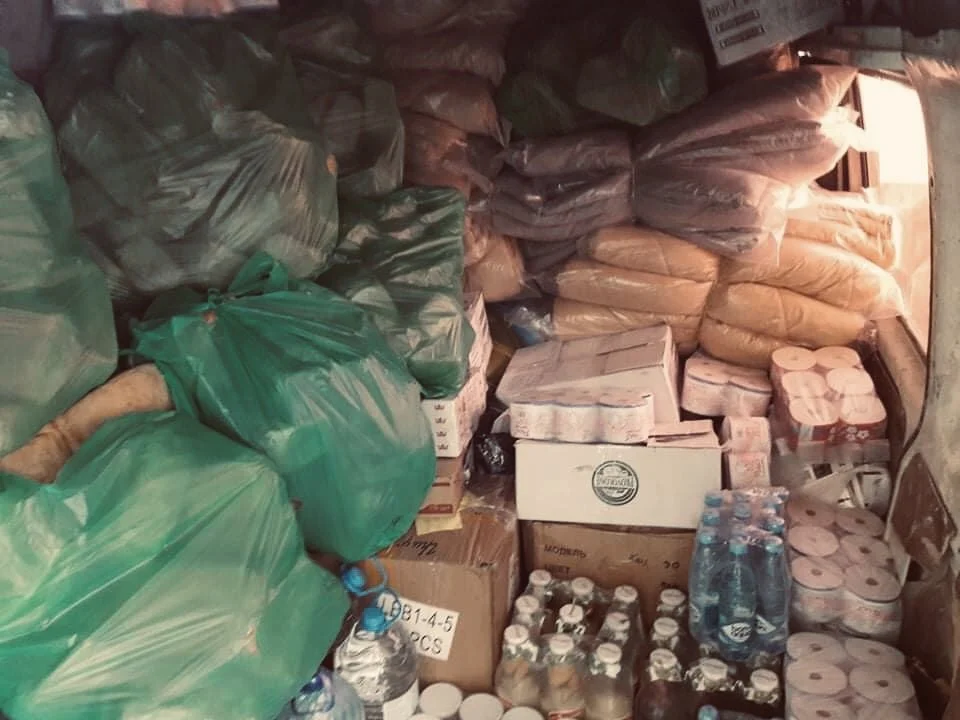
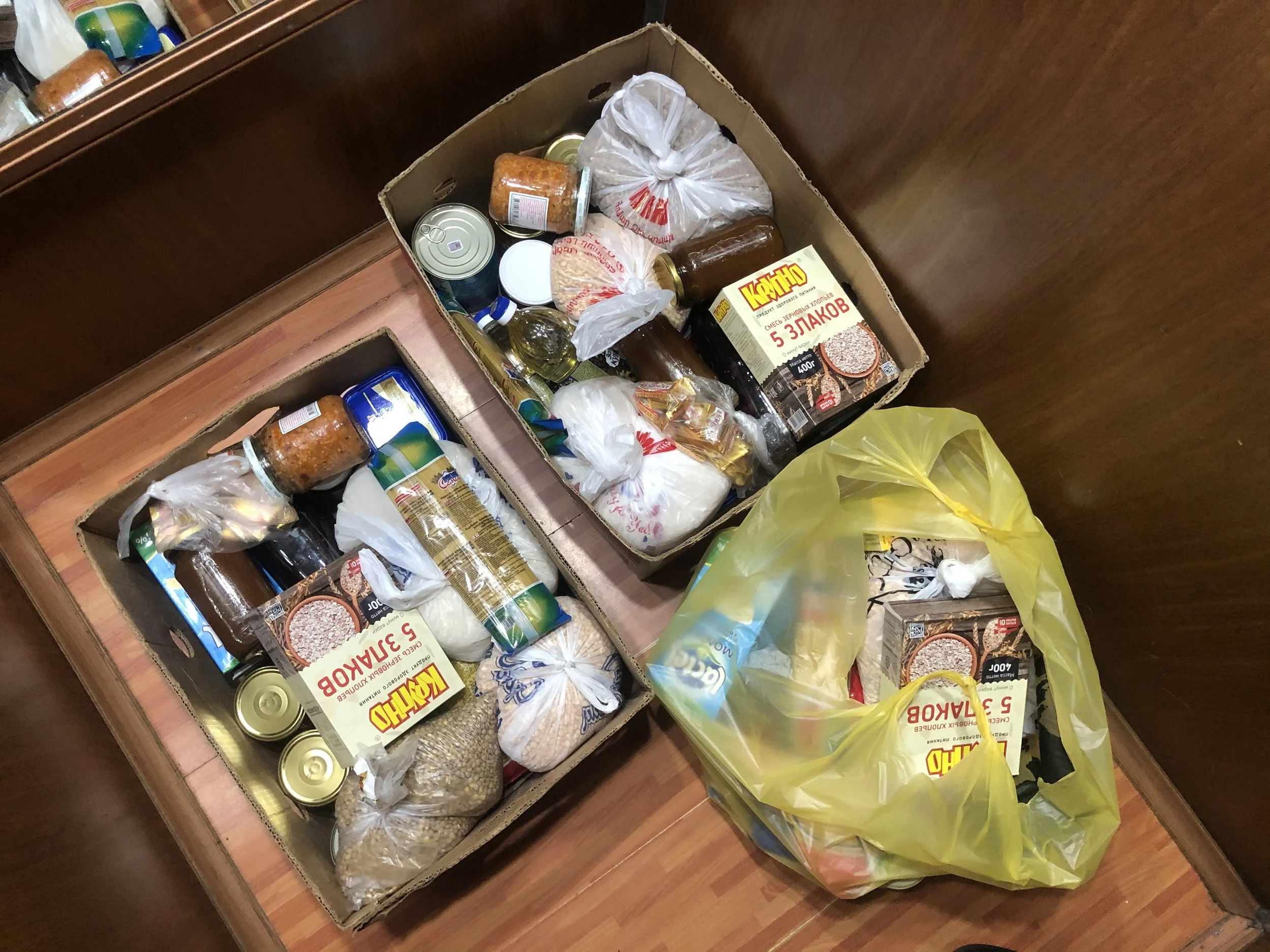
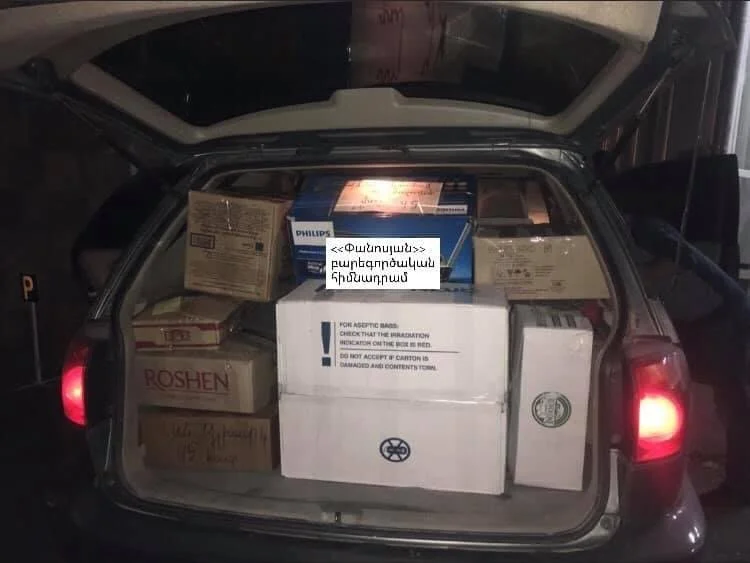
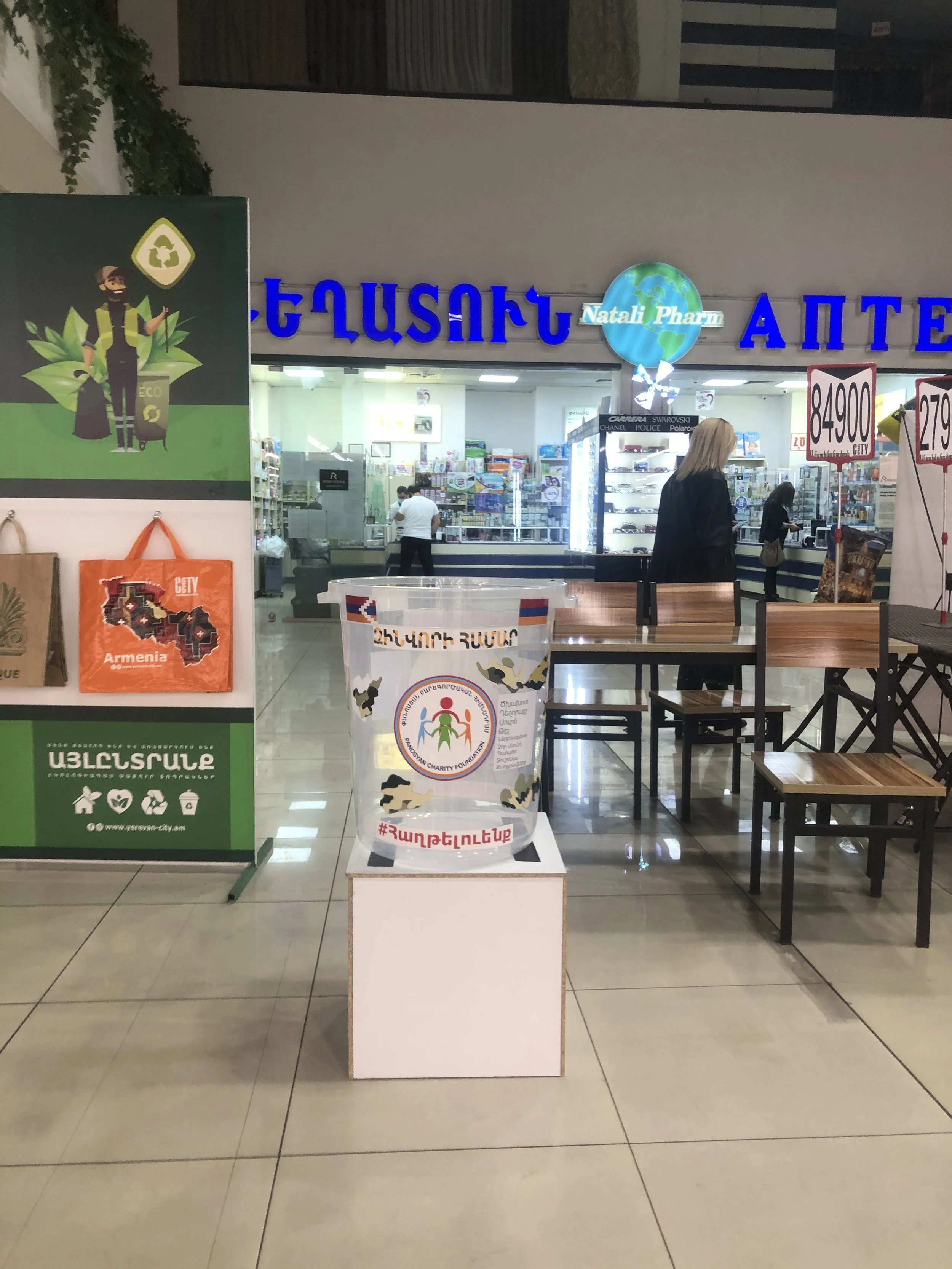
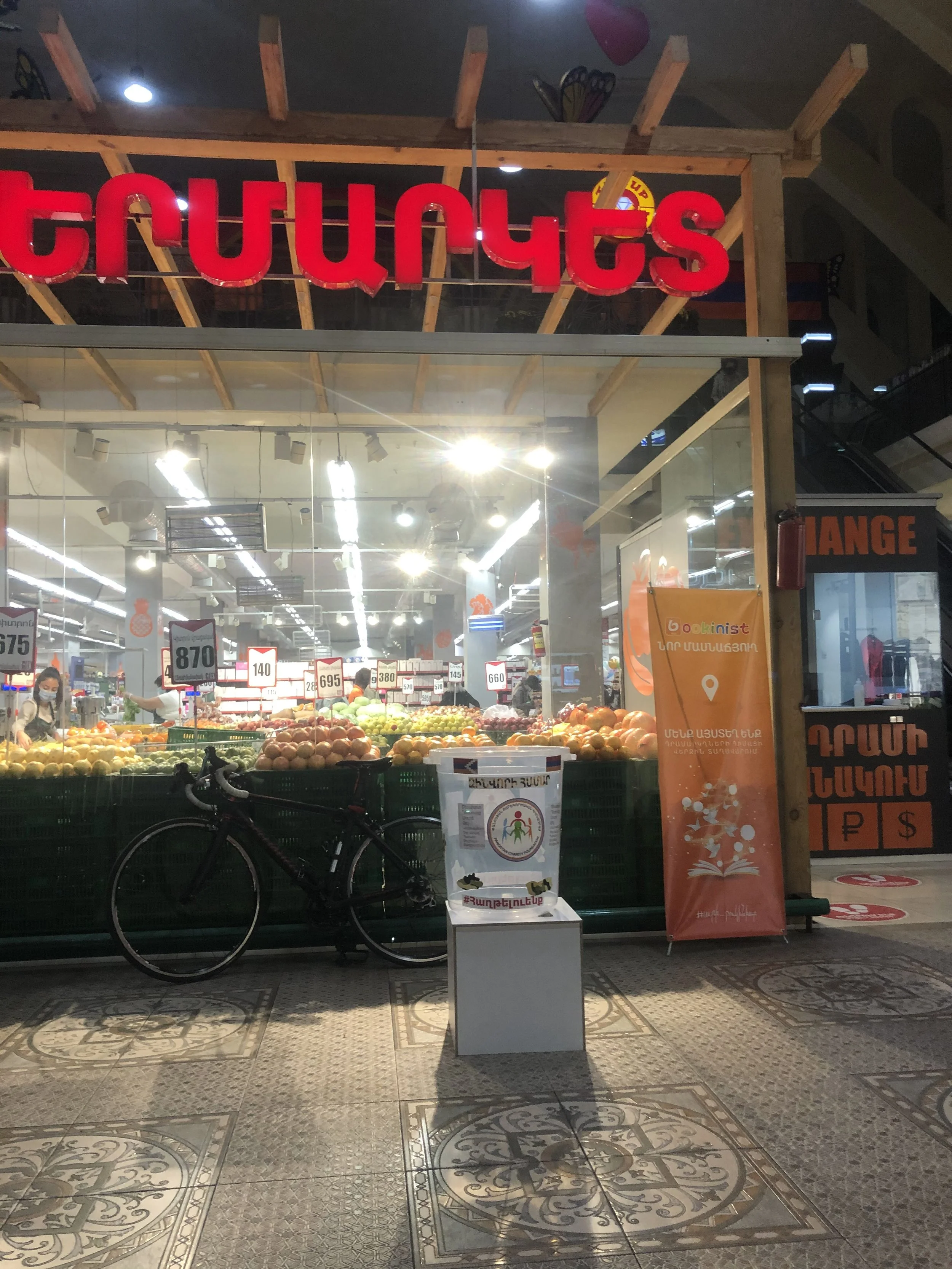
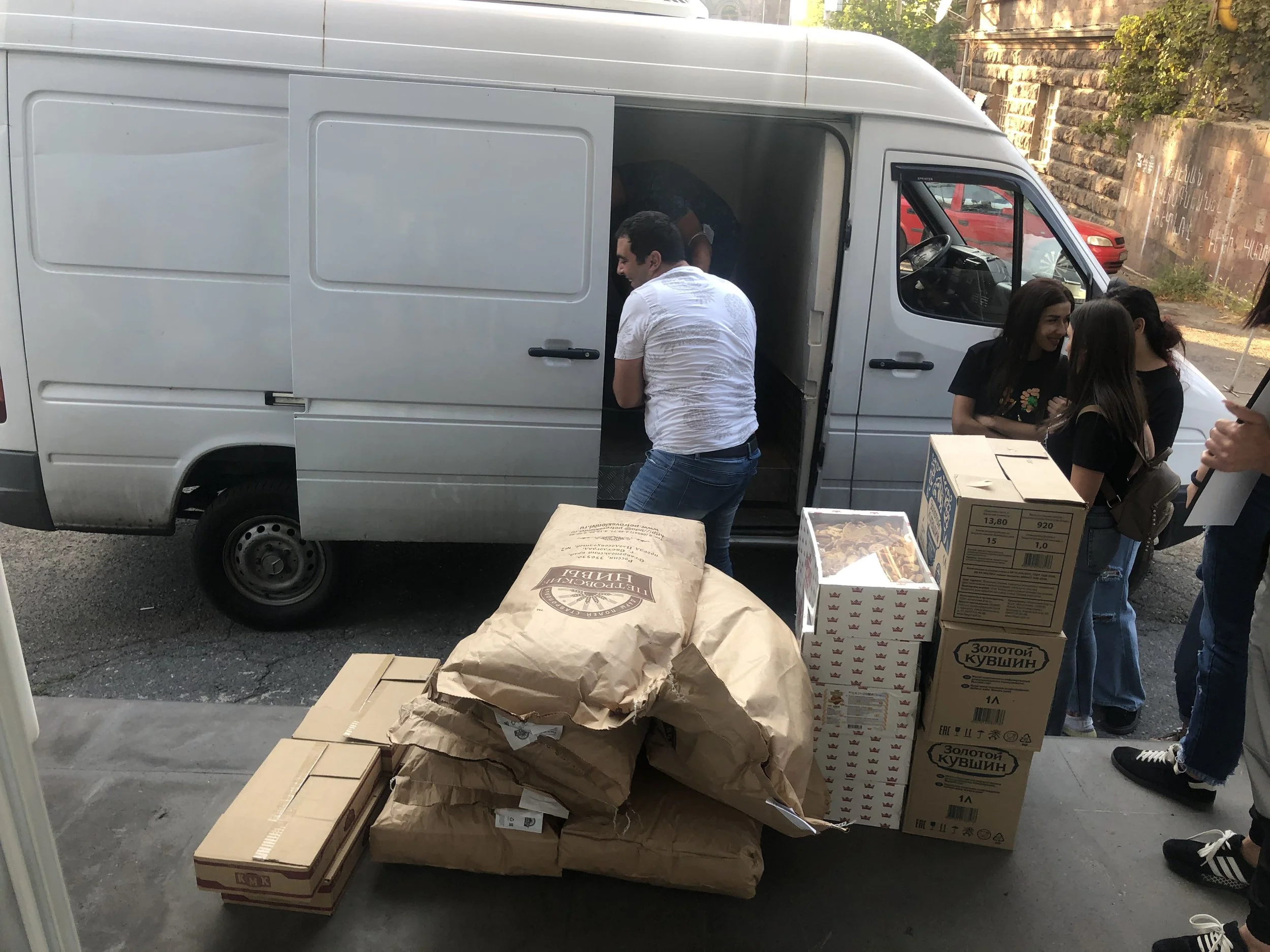
Essential supplies at scale — published lists of urgent needs; food, clothing, hygiene products and essentials collected from private donors and the general public, with donation boxes installed in Yerevan City supermarkets so anyone could give.
International coordination — active daily communication with Armenian diaspora communities in the USA, Canada, France, Belgium, Israel, Poland, Cyprus, and Russia: sharing verified needs lists, coordinating international assistance and advocacy.
Care beyond supplies — visits by psychologists, public figures, and volunteers for displaced children and adults; help with medical registration in local clinics; aid deliveries coordinated to frontline villages in Syunik and to civilians remaining in Nagorno-Karabakh.
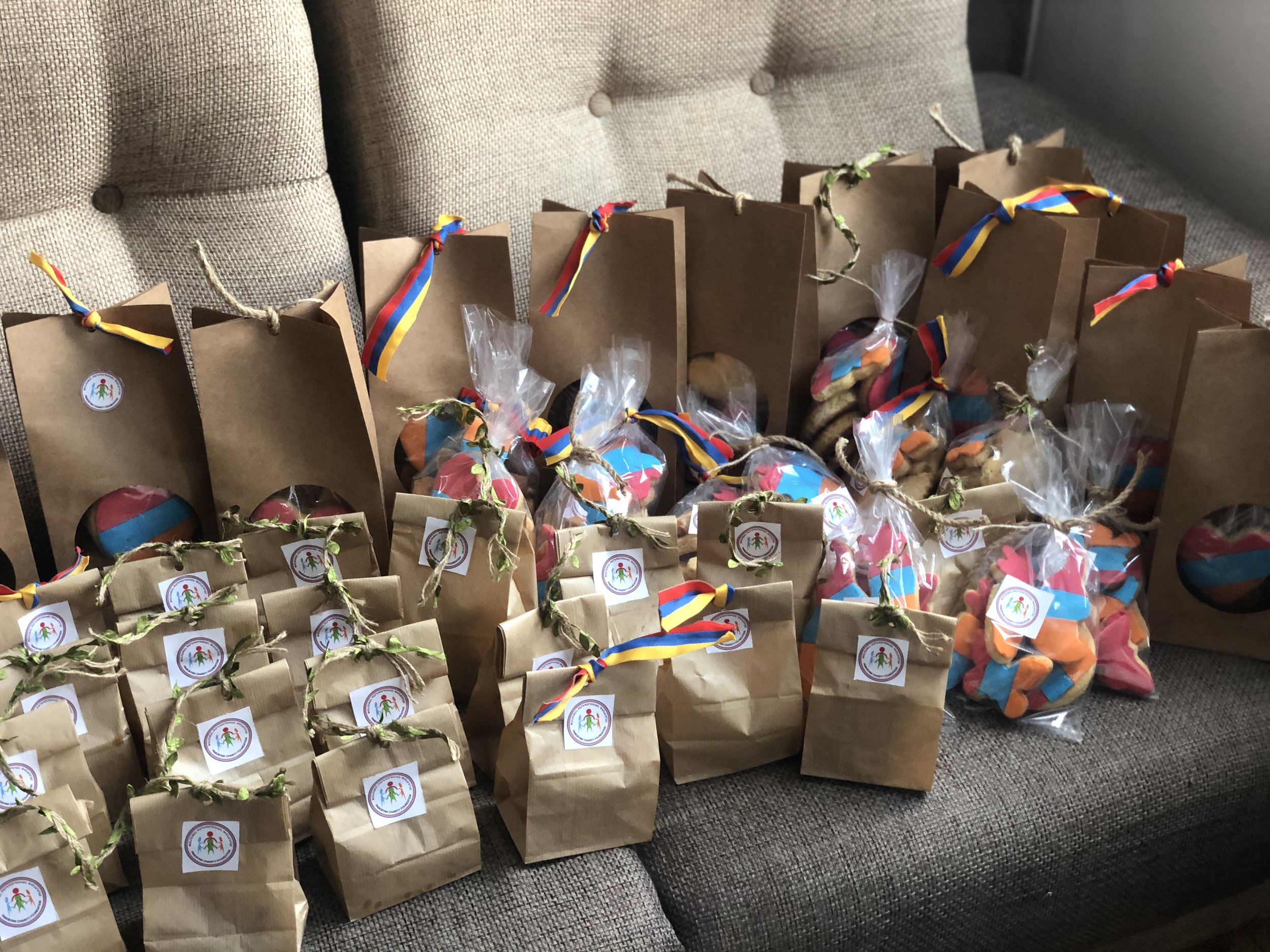
Community fundraising with heart — a charity fair in Yerevan’s English Park where Armenian artisans sold handmade crafts for displaced families; support for displaced women who cooked traditional zhingyalov hats, with all proceeds going to families in need; and a New Year campaign that raised over USD 3,000 to buy bicycles, toys, and gifts for children who had lost their homes.
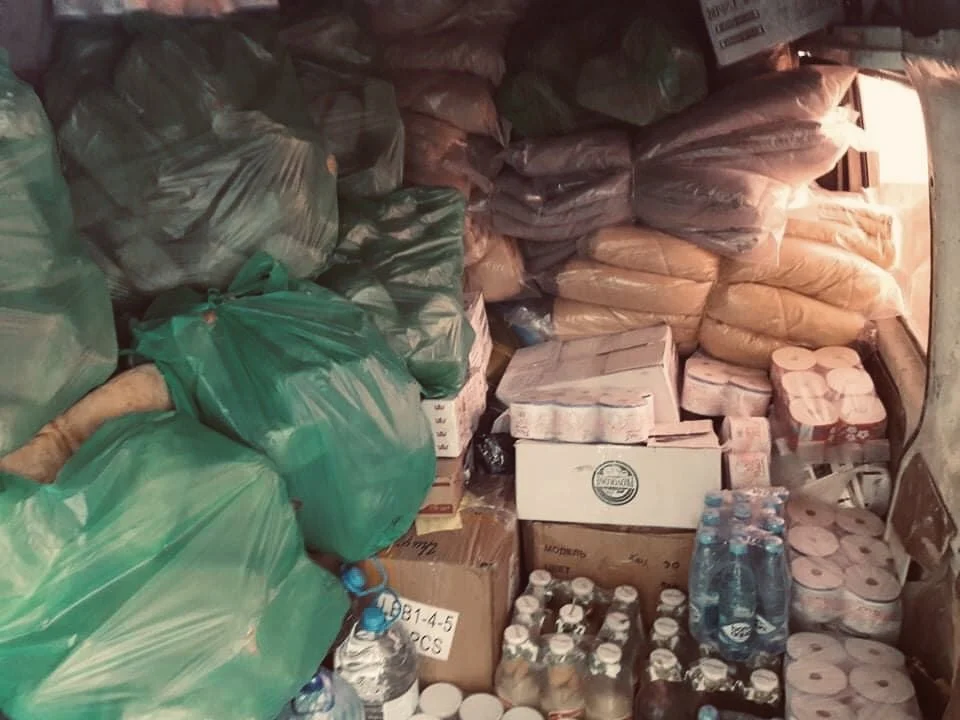
In total, this volunteer effort mobilized approximately USD 15,000–20,000 in donations, in-kind contributions, and volunteer support — with no organization behind it, no office, and no salaries. Just lists, phone calls, cars, and people who refused to stand aside.
Why do we tell this story on the website of an engineering NGO? Because it is the answer to the question every partner eventually asks: can this small team actually deliver under real-world conditions? Our founders’ first large-scale project had hard deadlines, no budget, and the highest possible stakes — and roughly six hundred people reached safety. Everything HOVAK builds now — from emergency-preparedness training to infrastructure designed for a century — grows from those 44 days.