Robotics & Emergency Preparedness
Practical skills for the future + a culture of safety for stronger communities
HOVAK is an Armenia-based nonprofit organization working at the intersection of social and environmental innovation. We develop hands-on STEM education for youth (robotics and foundational engineering skills) and support community safety and emergency readiness programs through practical, locally grounded initiatives.

Why this project matters now
Armenia is a seismic region, and communities also face seasonal and local risks—fires, extreme weather, and unexpected incidents. These realities highlight a simple gap: preparedness isn’t evenly accessible. Many families and teenagers lack structured, age-appropriate learning on how to act safely and effectively during emergencies.
At the same time, there’s another gap: affordable, practical STEM education. In many places, access to robotics and engineering learning is limited, which reduces young people’s exposure to problem-solving, teamwork, and “maker” skills that shape future specialists and local innovation.
We believe that combining engineering thinking with a culture of safety in one program can:
strengthen community resilience,
give young people real-world skills,
and help raise a generation that stays calm, thinks clearly, and acts responsibly when it matters most.
Our approach: a blended program—engineering + readiness
This HOVAK project is a combined initiative where STEM learning (robotics and basic engineering) is integrated with age-appropriate training in safety, emergency awareness, and community resilience.
We focus on what works in practice:
small groups,
hands-on learning,
team-based challenges,
clear, measurable outcomes,
and safe instruction with responsible supervision.
In a pilot format, the program can run in cohorts of around 10 participants over approximately 12 weeks, with two sessions per week. Sessions typically last 90–120 minutes, and each cohort completes a full cycle that ends with a public demonstration of results.
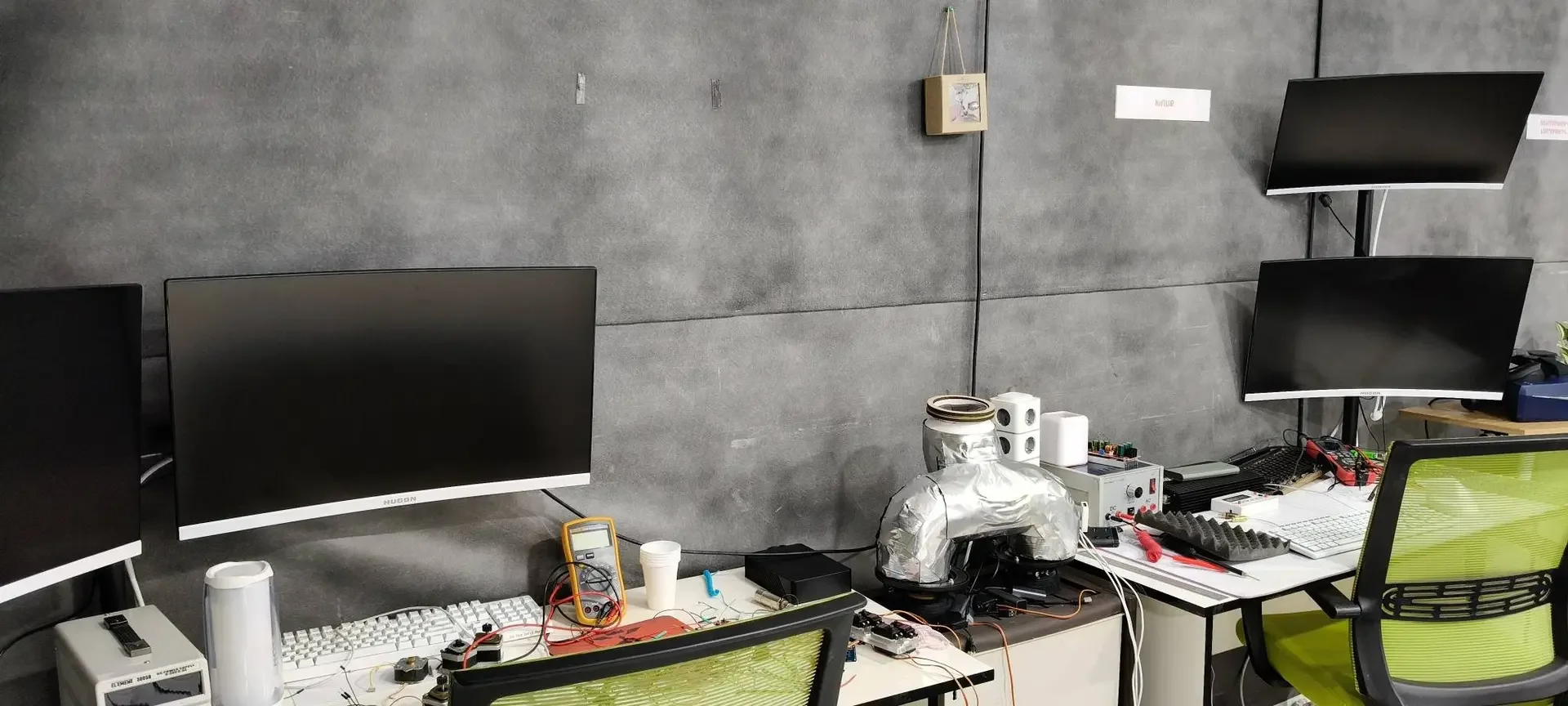
What participants do (and why it works)
1) Robotics and engineering thinking
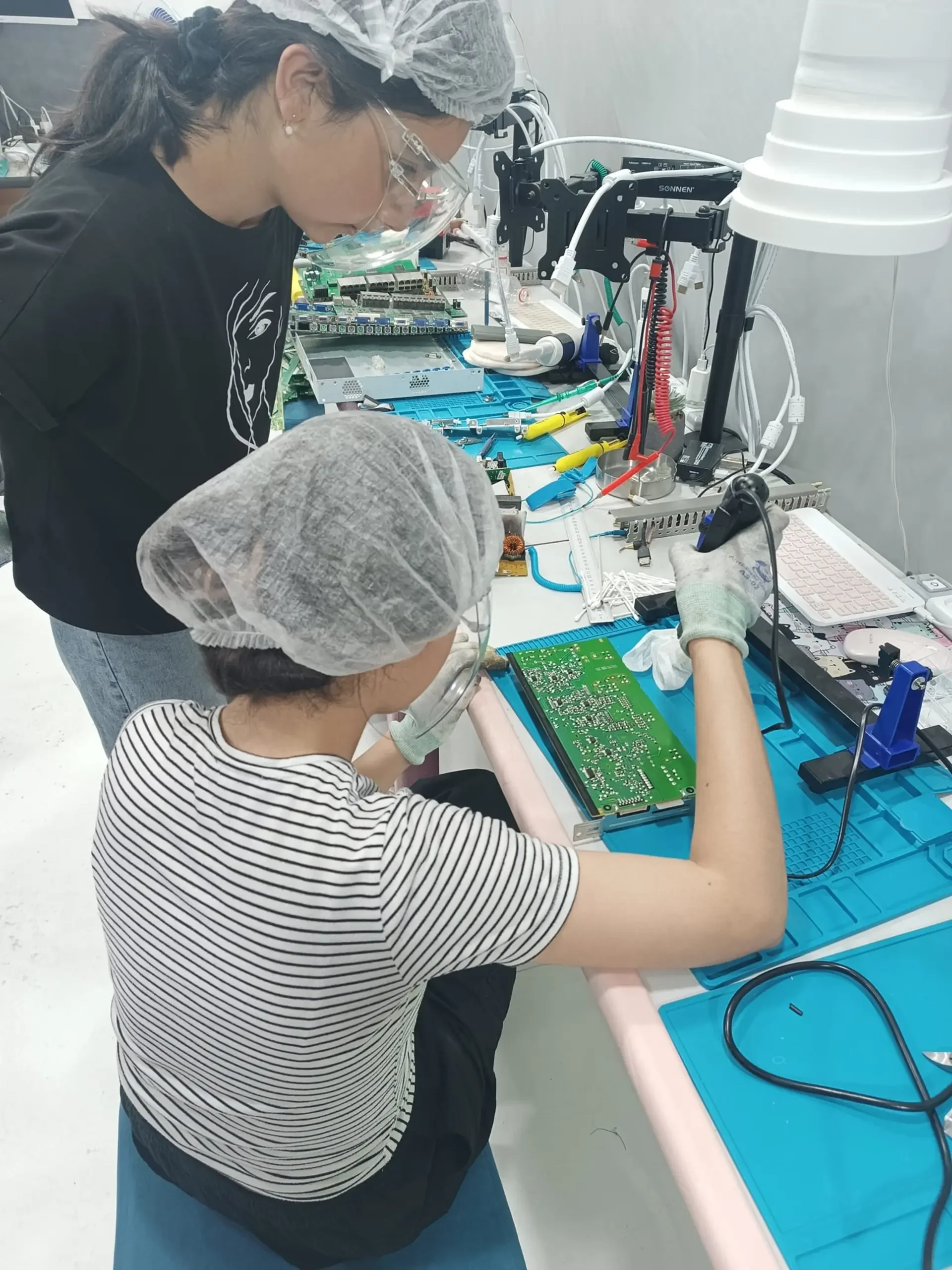
The learning is designed so youth don’t just “listen”—they build:
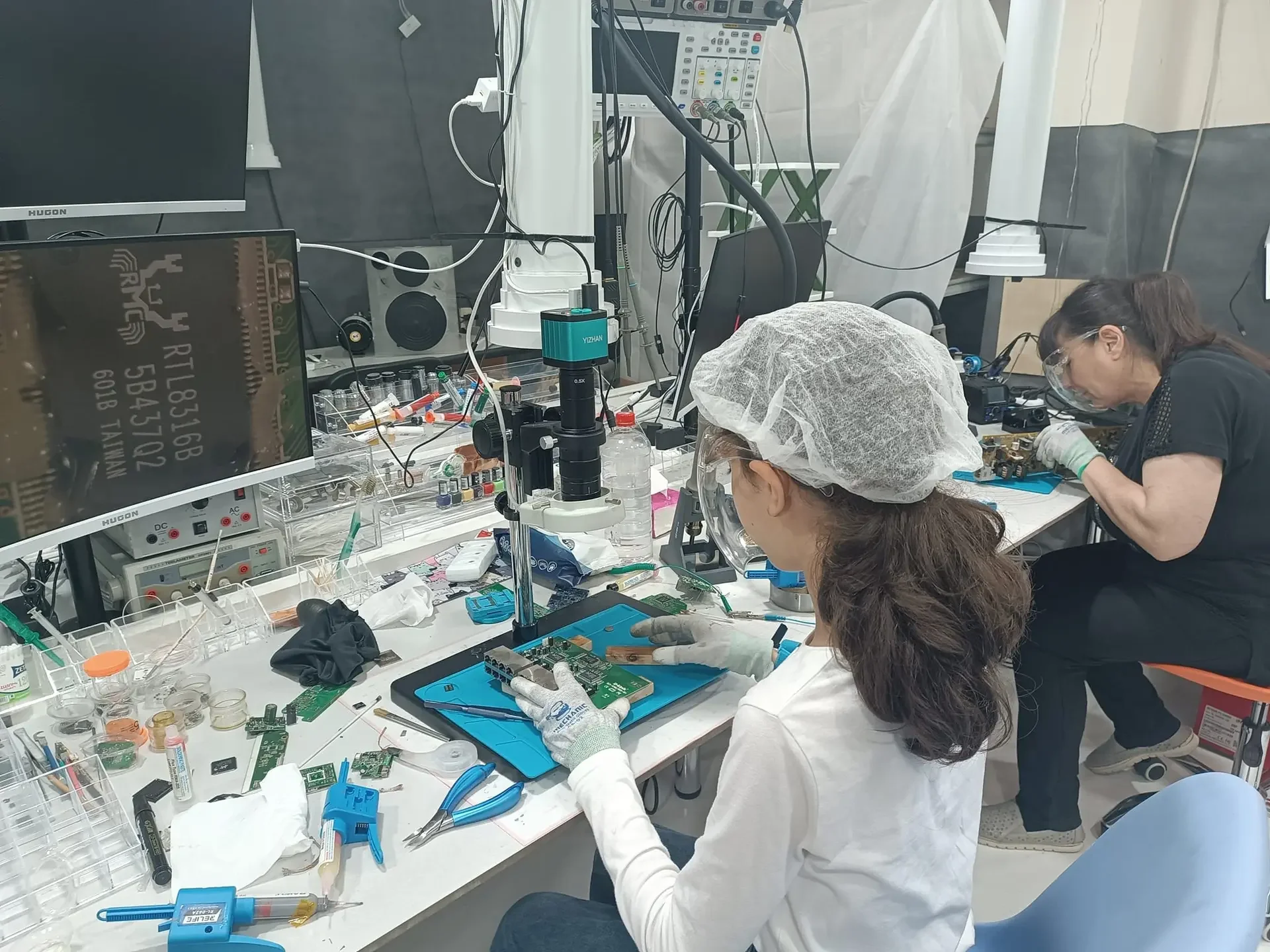
learn the fundamentals of engineering thinking and robotics,
work with age-appropriate electronics and sensors,
practice safe tool use,
explore simple logic and coding principles,
iterate like real engineers: build → test → improve.
Teams create small functional prototypes and solve structured challenges—developing communication, responsibility, leadership, and real collaboration.
Each cohort concludes with a Demo Day, where teams present their prototype, explain their design choices, and share what they learned.
2) Safety and emergency readiness
Alongside STEM, the program includes 2–3 thematic workshops embedded into the learning cycle: basic readiness, safe decision-making, and practical drills guided by qualified instructors.
We keep it age-appropriate and responsible: what to do in common scenarios, how to follow instructions, how to support others safely, and essential awareness related to first aid principles and protective behavior.
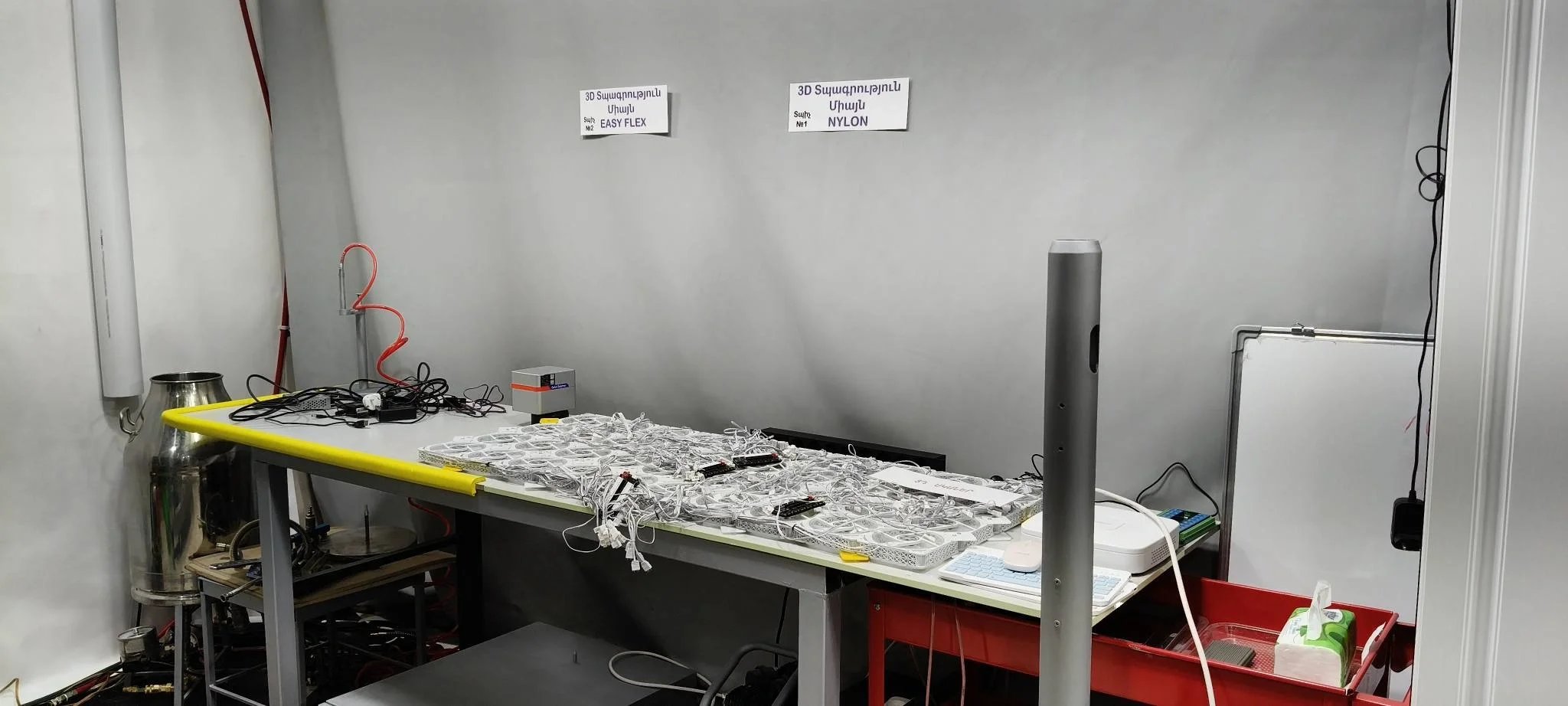
Project expansion: a network of safe spaces and community readiness kits
In addition to youth education, we aim to strengthen community-level preparedness by developing a network of pre-prepared safe spaces that can be used quickly during local incidents or emergency situations.
This is not about building bunkers. It’s a practical, civic approach:
identify and prepare existing suitable spaces (schools, community centers, designated rooms),
clean and organize them (basic readiness, clarity, and accessibility),
place sealed storage boxes with essential, safe, legally compliant supplies,
and train local coordinators to manage storage, simple inventory, and periodic refresh routines.
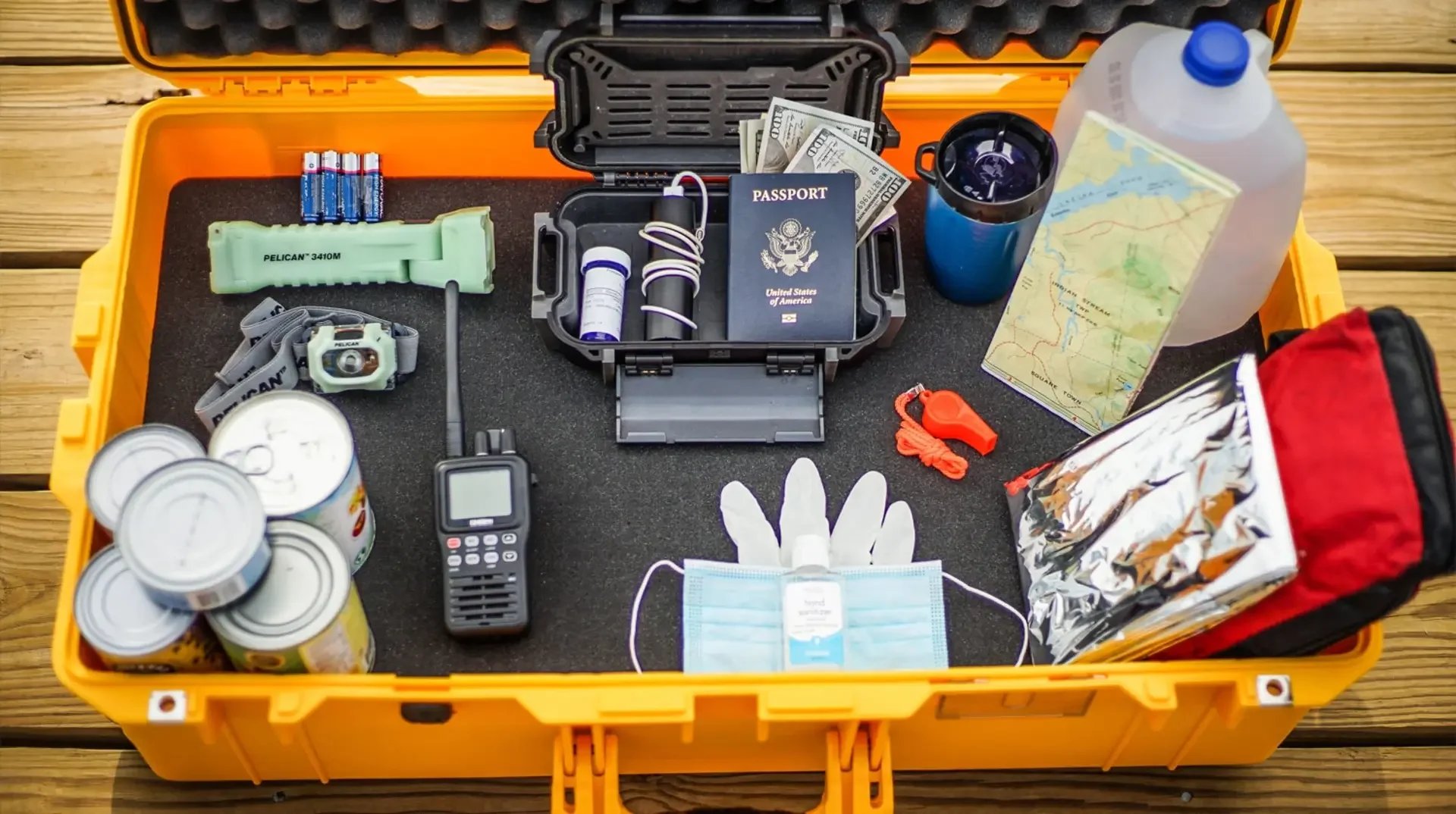
What a “readiness kit” may include (framework example)
Specific contents are always adapted to partners, budget, local context, and applicable standards. In general, kits may include:
lighting and basic power essentials (flashlights, batteries, power banks),
basic first-aid and hygiene supplies,
blankets/thermal blankets, water, simple long-shelf-life food,
printed checklists and guidance for safe actions,
basic items for organizing space (gloves, tape, bags, etc.),
clear information: emergency contacts, evacuation routes, and roles/responsibilities.
The key idea is not “a pile of supplies,” but a managed system—accountability, refresh cycles, simple rules, and regular checks—so preparedness is real, not just a document.
Designed to fit different grants: modular and adaptable
We understand that every grantmaker has different priorities—some focus on STEM, others on safety and resilience, and others on infrastructure and partnerships. That’s why we structure this initiative as a modular program:
Module A: STEM robotics and engineering skills for youth
Module B: Emergency readiness and a culture of safe behavior
Module C: Safe spaces network + readiness kits and local coordination
Module D: Monitoring, evaluation, reporting, and learning materials
Module E: Partner network (schools, communities, experts, volunteers)
This website describes the overall concept and intended direction. Each specific grant application is developed with its own scope, geography, timeline, budget, and indicators, aligned to the funder’s requirements and partner agreements.
How we measure impact
We prioritize measurability and learning improvement, including:
participant recruitment and retention, attendance tracking,
skills progress through simple pre/post assessments and practical rubrics,
growth in safety-aware decision-making through checklists and workshop feedback,
final prototype presentations and team reflections.
We also document implementation consistently to improve the program after each cohort and to produce clear, credible reporting for partners and funders.
Who we invite as partners
This project becomes stronger with collaboration:
schools and learning centers,
community and municipal partners,
safety and first-aid experts,
companies supporting STEM and community resilience,
volunteers, mentors, and technical specialists.
If you’d like to support or partner with HOVAK, we welcome collaboration—from venues and mentorship to piloting, scaling, and co-developing local solutions.