LUMA
A Digital B2B Platform Connecting Producers to Markets
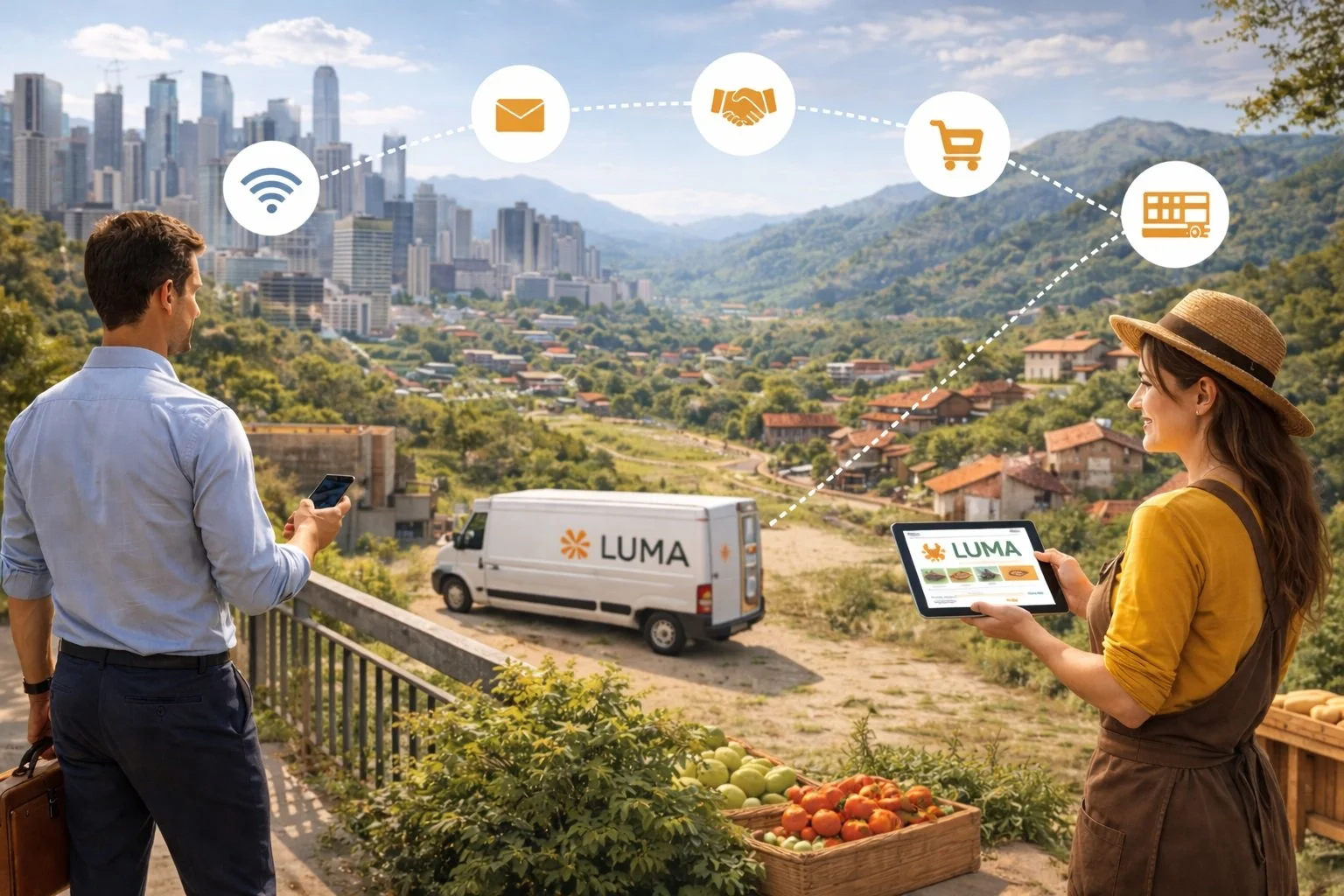
LUMA is a digital B2B initiative designed to help small producers reach new buyers, receive direct order requests, and build long-term business relationships—locally and across borders.
It is developed as a practical, mobile-friendly tool that reduces communication barriers, improves visibility, and supports fair market access for underserved entrepreneurs and community-based producers.
Why LUMA
Across rural and remote areas, many talented producers create high-quality goods—food, handmade products, crafts, and small-batch items—yet remain limited by weak market linkages, low visibility, and dependence on intermediaries. These barriers reduce income, slow growth, and prevent producers from accessing more stable supply chains.
At the same time, there is strong demand from retailers, community shops, and buyers who want reliable, culturally familiar, and authentic products—but lack a simple way to discover producers, communicate efficiently, and initiate structured B2B orders. LUMA is built to bridge this gap and enable practical regional cooperation.
What LUMA Is
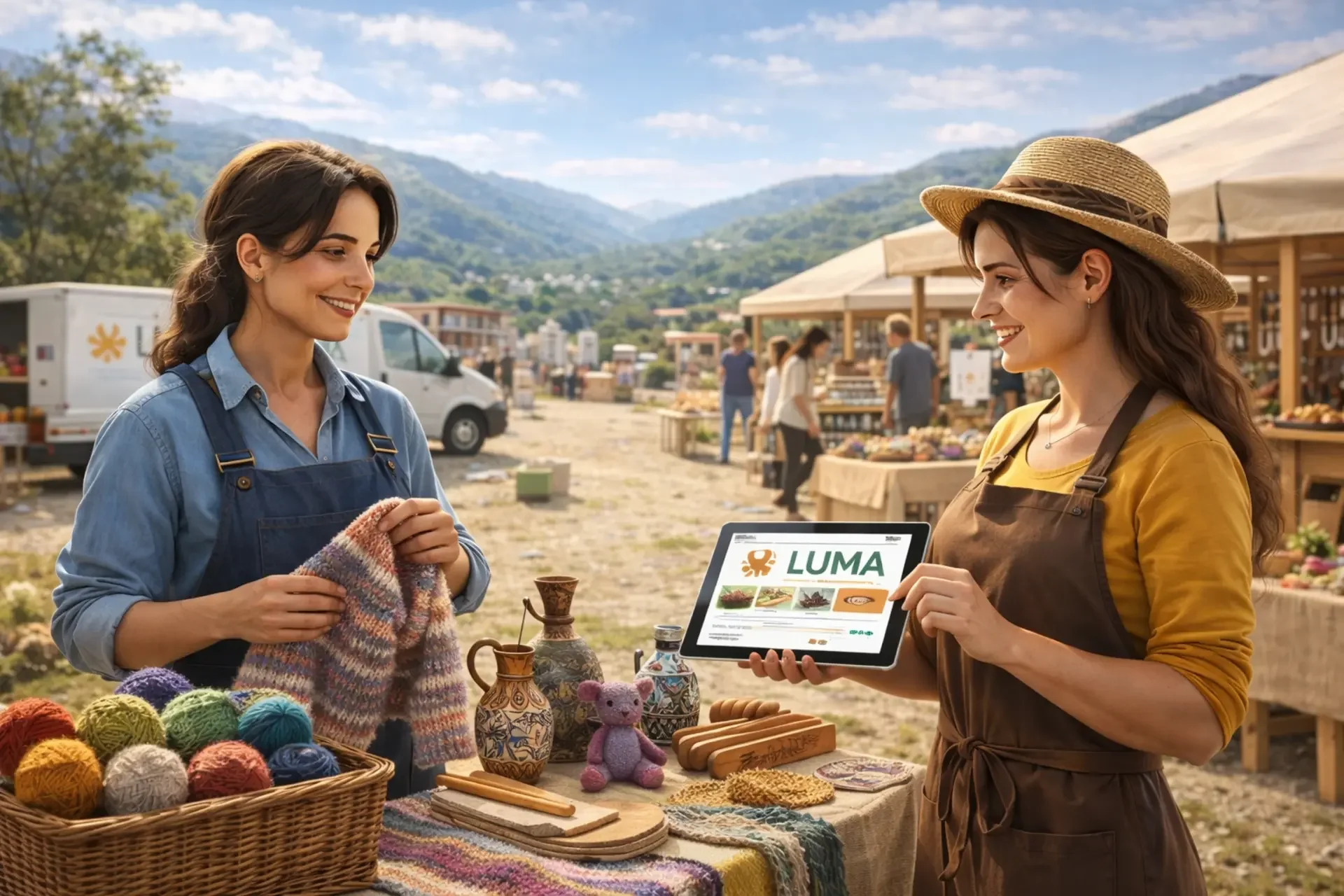
LUMA is being developed as a digital B2B platform that enables producers to:
showcase products in a clear, organized catalog
present verified producer profiles
receive direct order requests from retailers and buyers
communicate efficiently and reduce coordination friction
expand access beyond local communities, including cross-border opportunities where relevant
The platform is intentionally planned as simple and mobile-friendly, because usability matters most for real-world adoption—especially for users with limited time, limited digital skills, or inconsistent infrastructure.
How It Works (Concept Flow)
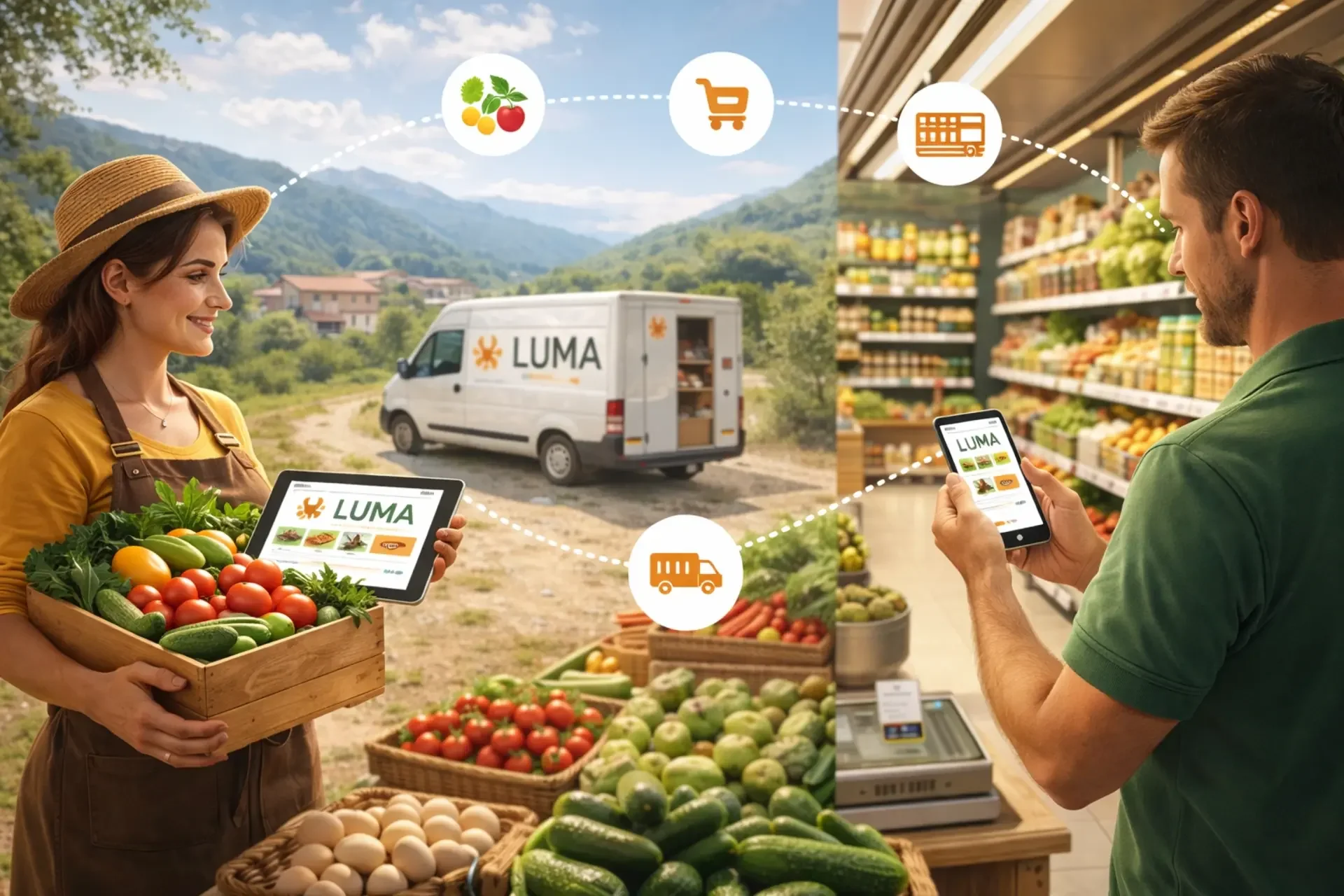
1) Producer onboarding
We support producers with practical onboarding and clear guidance so product information is complete, consistent, and buyer-ready.
2) Product visibility
Products are displayed through an intuitive catalog structure that helps buyers find suppliers quickly.
3) B2B order requests & communication
Retailers and buyers can initiate order requests and communicate directly, reducing reliance on middlemen and informal channels.
4) Pilot testing and continuous improvement
LUMA is built with an iterative approach—testing, feedback collection, and refinement—so the platform becomes more useful and more trusted over time.
Pilot Focus and Geographic Reach
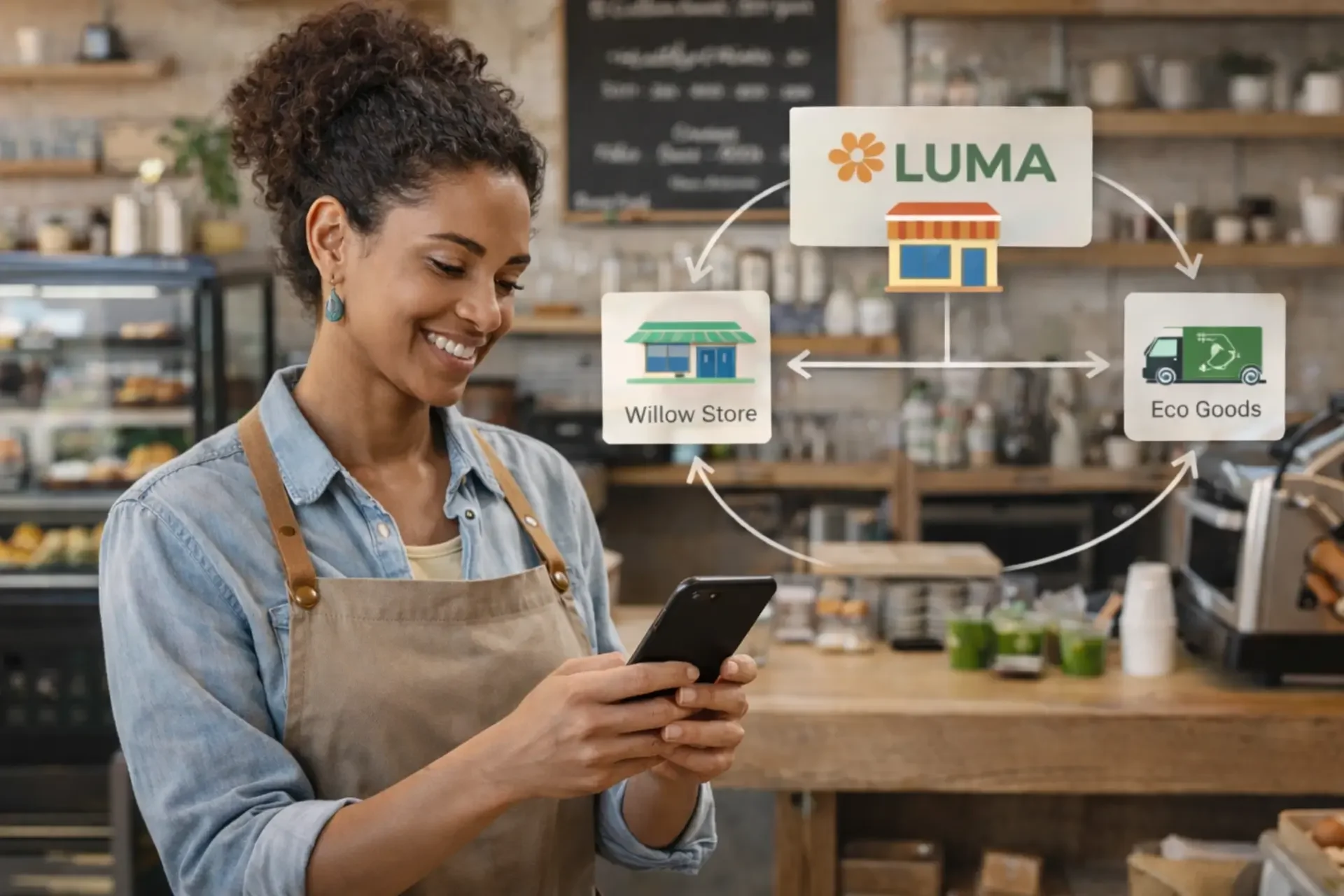
LUMA is designed to be scalable, with pilots and rollouts adapted to each program and partnership. Early pilots focus on connecting producers and buyers across Armenia and Georgia, with practical entry points in regions where there is both production capacity and market demand.
This geography is not a limitation—LUMA is a framework that can grow to additional regions as partnerships expand and new support mechanisms are secured.
Beyond the Platform: Support and Capacity Building
Technology alone is not enough. LUMA is planned as a combined model of:
digital tool + onboarding support
training and practical guidance
matchmaking and partner engagement
pilot evaluation and learning
The goal is to make sure users not only “have access” to the platform, but can actually use it confidently and benefit from it.
Impact We Aim to Create
LUMA is designed to support measurable, real-world outcomes such as:
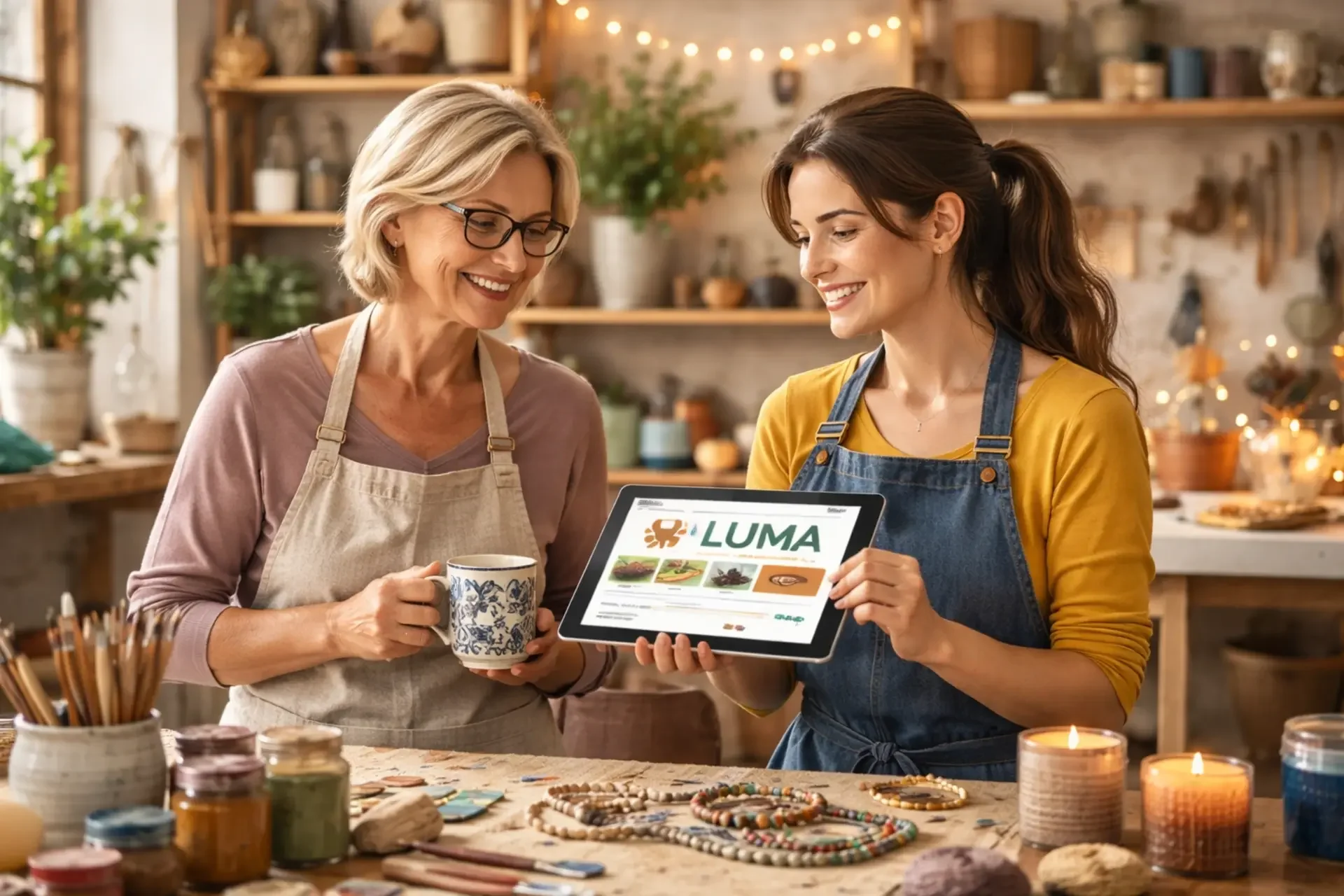
stronger market access and improved sales opportunities for small producers
reduced dependency on intermediaries
better digital inclusion and practical business confidence
increased cross-regional and cross-border cooperation where applicable
We treat impact as something that must be documented—not assumed. That is why the initiative includes structured monitoring, feedback loops, and pilot evaluation to improve usability and results over time.
Sustainability and Long-Term Vision
LUMA is designed as a long-term, scalable solution—not a one-time project. Sustainability is planned through a combination of:
technical continuity (maintaining core infrastructure and hosting)
ongoing user support (guidance and reusable training materials)
partnership networks (retailers, community organizations, and regional actors)
phased financial model to keep the platform operational and expandable over time
Over time, LUMA can evolve with lightweight and transparent sustainability mechanisms (for example: small membership contributions, local business partnerships, and optional B2B service packages for retailers), while remaining aligned with NGO values and donor compliance requirements.
Get Involved
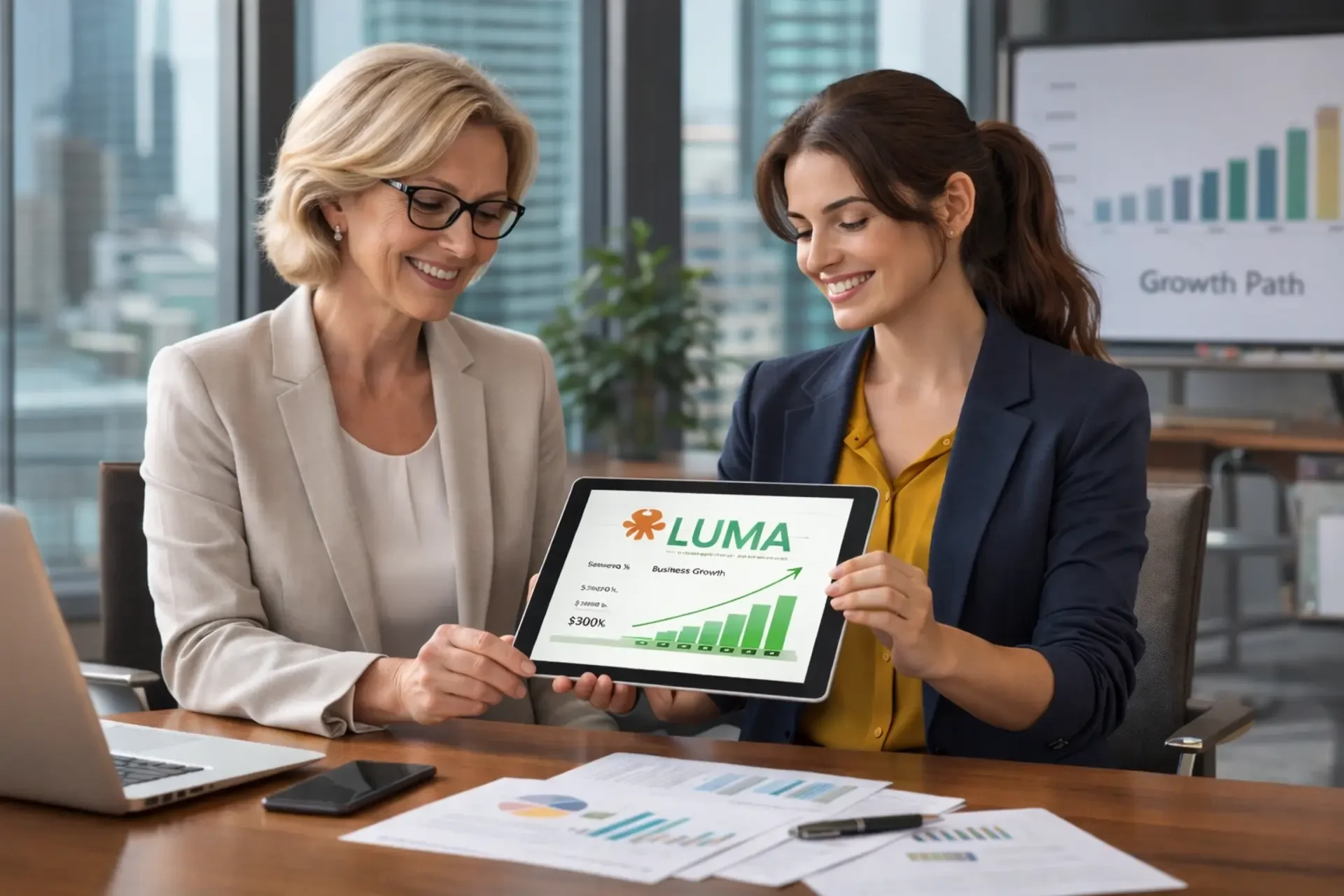
We are open to partnerships that strengthen the platform and expand real opportunities for producers:
For producers and cooperatives
onboarding, product visibility, and new buyer connections
For retailers and buyers
trusted suppliers, streamlined sourcing, and B2B communication
For NGOs, municipalities, and community organizations
joint outreach, training programs, and local pilot support
For donors and institutions
pilot deployments, evaluation, and scale-up programs aligned with measurable social impact
For technical partners
development support, UX improvements, integration, and data-driven iteration
LUMA FAQ
1) What is LUMA?
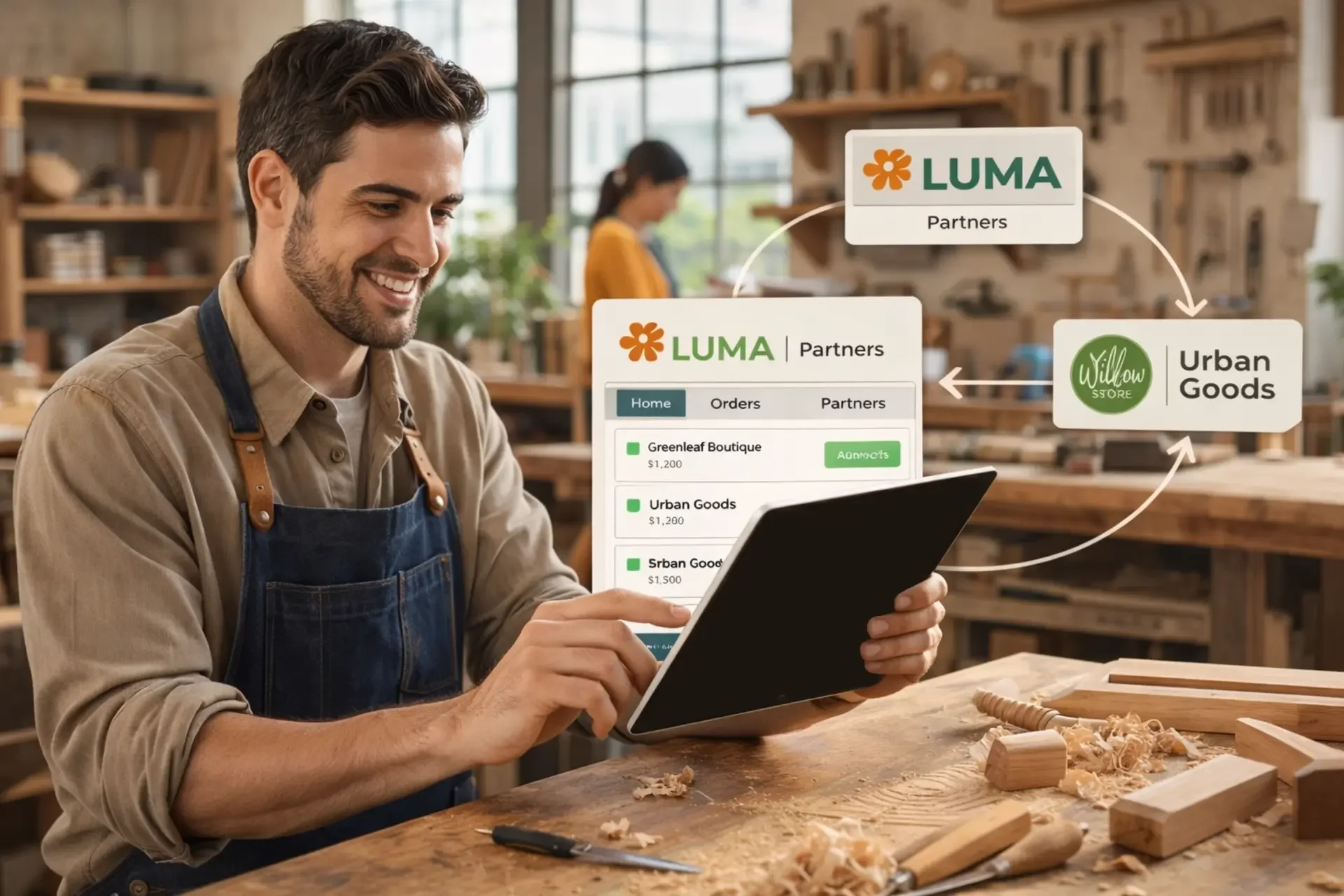
LUMA is a digital B2B platform concept designed to connect small producers with retailers and buyers through structured product listings, producer profiles, and direct order requests. It is built as a practical tool to reduce communication barriers and improve market access.
2) Who is LUMA for?
LUMA is intended for:
small and medium producers (food, crafts, handmade goods, small-batch products)
retailers, shops, cafés, hospitality businesses, and institutional buyers
community organizations supporting local economic development
3) Is LUMA already live?
LUMA is in development and is planned to grow through phased pilots. Features and timelines may vary depending on partnerships, funding, and pilot feedback.
4) What problem does LUMA solve?
Many producers have limited visibility and depend on informal networks or intermediaries. Buyers often struggle to find reliable suppliers and manage communication efficiently. LUMA aims to make sourcing and ordering more transparent, structured, and accessible.
5) How will producers join the platform?
Onboarding is planned to be simple and supportive. Producers will be able to create a profile, upload key product information, and receive guidance to ensure listings are clear and buyer-ready. Pilot onboarding may include training or assisted setup.
6) How will buyers use LUMA?
Buyers will be able to browse producer catalogs, compare offerings, and send order requests directly. Communication tools will help reduce friction and make repeat purchasing easier over time.
7) Will LUMA handle payments and delivery?
LUMA is designed as a flexible platform. Payment and delivery options may be supported through different models during pilots (direct coordination, partner-supported logistics, or optional integrations). Any specific mechanism will be defined per pilot and partnership.
8) Is LUMA free to use?
During early phases and pilots, LUMA may be offered free or with donor-supported access. Long-term sustainability may include lightweight, transparent options (e.g., optional service packages for businesses), but any model will prioritize accessibility and donor compliance where applicable.
9) What regions will LUMA cover?
LUMA is designed to be scalable. Early pilots may focus on Armenia and neighboring markets where partnerships exist, with the ability to expand based on demand and program support.
10) How will you measure impact?
Impact will be tracked through practical indicators such as onboarding numbers, active users, buyer-producer matches, order requests, and qualitative feedback. Evaluation methods will be adapted to each pilot and partner reporting requirements.
11) How can partners support LUMA?
Partners can contribute through pilot funding, onboarding and outreach support, business networks, logistics collaboration, technical development, and evaluation. We welcome cooperation with NGOs, municipalities, foundations, and private-sector partners.
12) How can I get involved?
If you are a producer, buyer, institution, or potential partner, contact us with a short introduction and your interest (pilot participation, partnership, technical support, or community outreach).